
From the Baltic Sea to the Mediterranean: "3 DAYS BY THE WATER" Workshop in Alexandria
Rostock on the Baltic, Alexandria on the Mediterranean: two port cities with more in common than you might think. In September we spent three days at the workshop "3 DAYS BY THE WATER" together with students and colleagues from Alexandria University and the University of Kassel. The guiding question: how does a city by the water develop?
Alexandria has history, a harbour and a beach, but struggles with car traffic, missing cycle lanes and rapid growth at its edges. At Lake Burullus in the Nile Delta, the focus was on villages and the role of arts projects.
Our conclusion: mobility, growth and public space are contested there just as they are here, only at a different pace. That is why we will be working with both partners in teaching and research going forward.
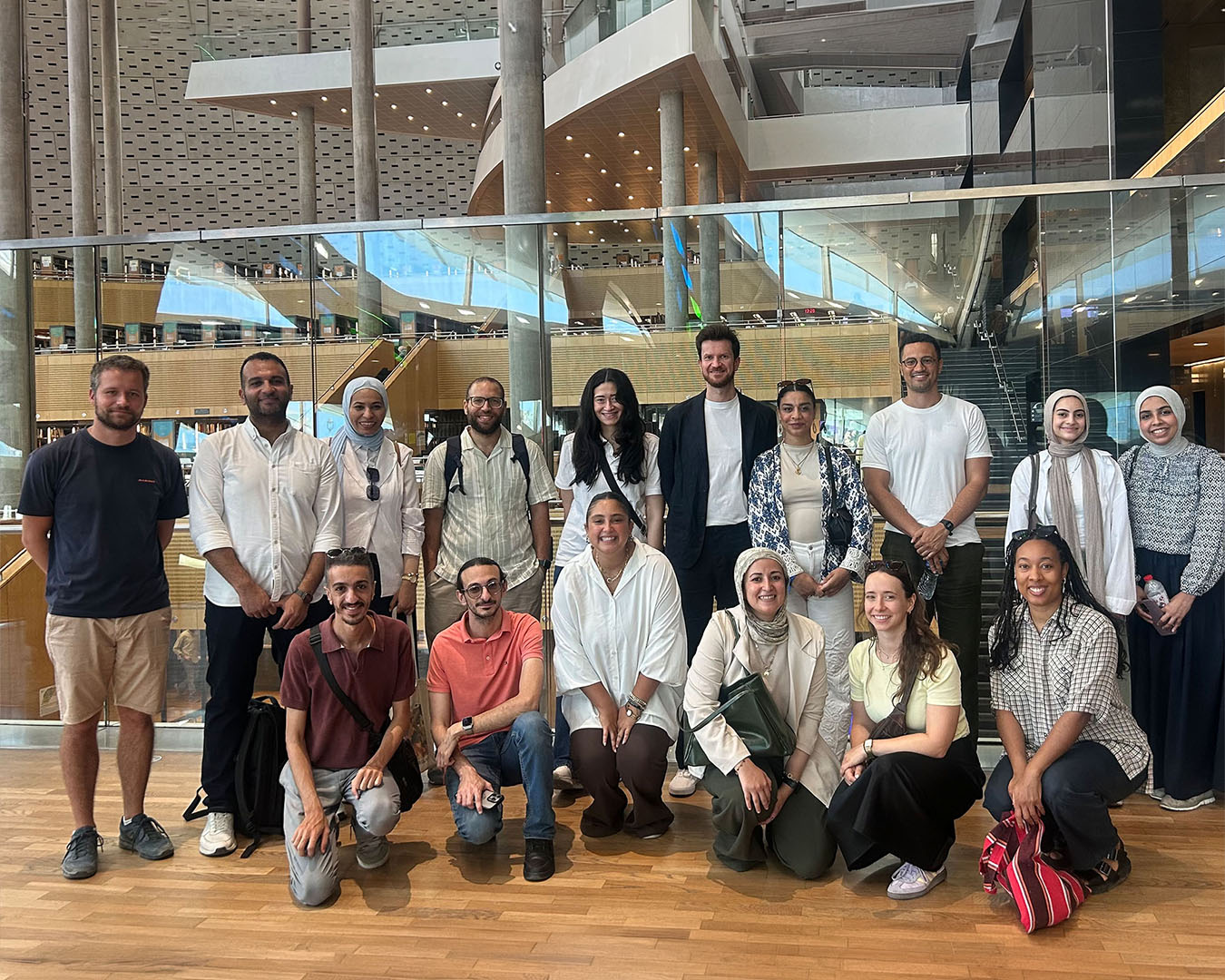
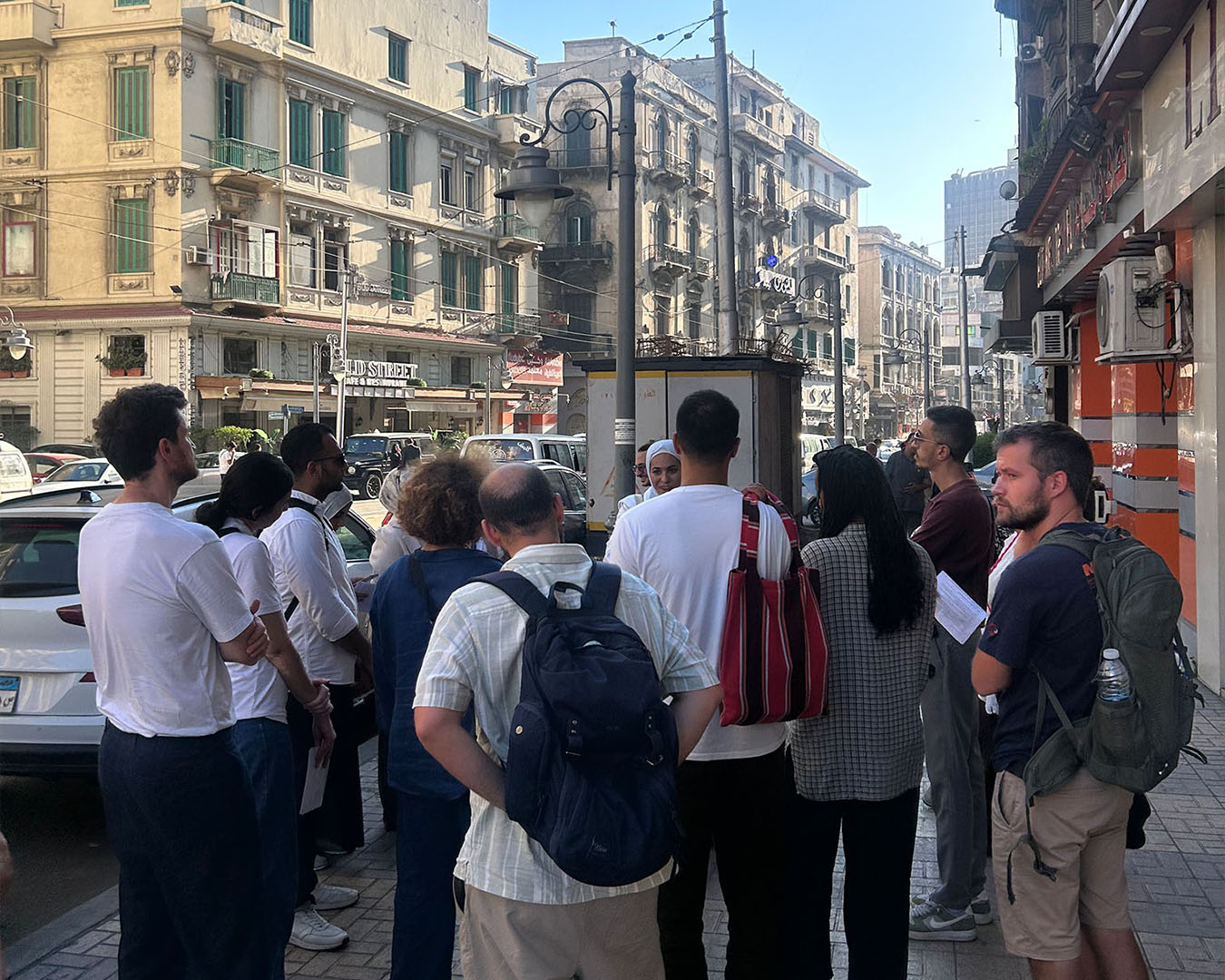
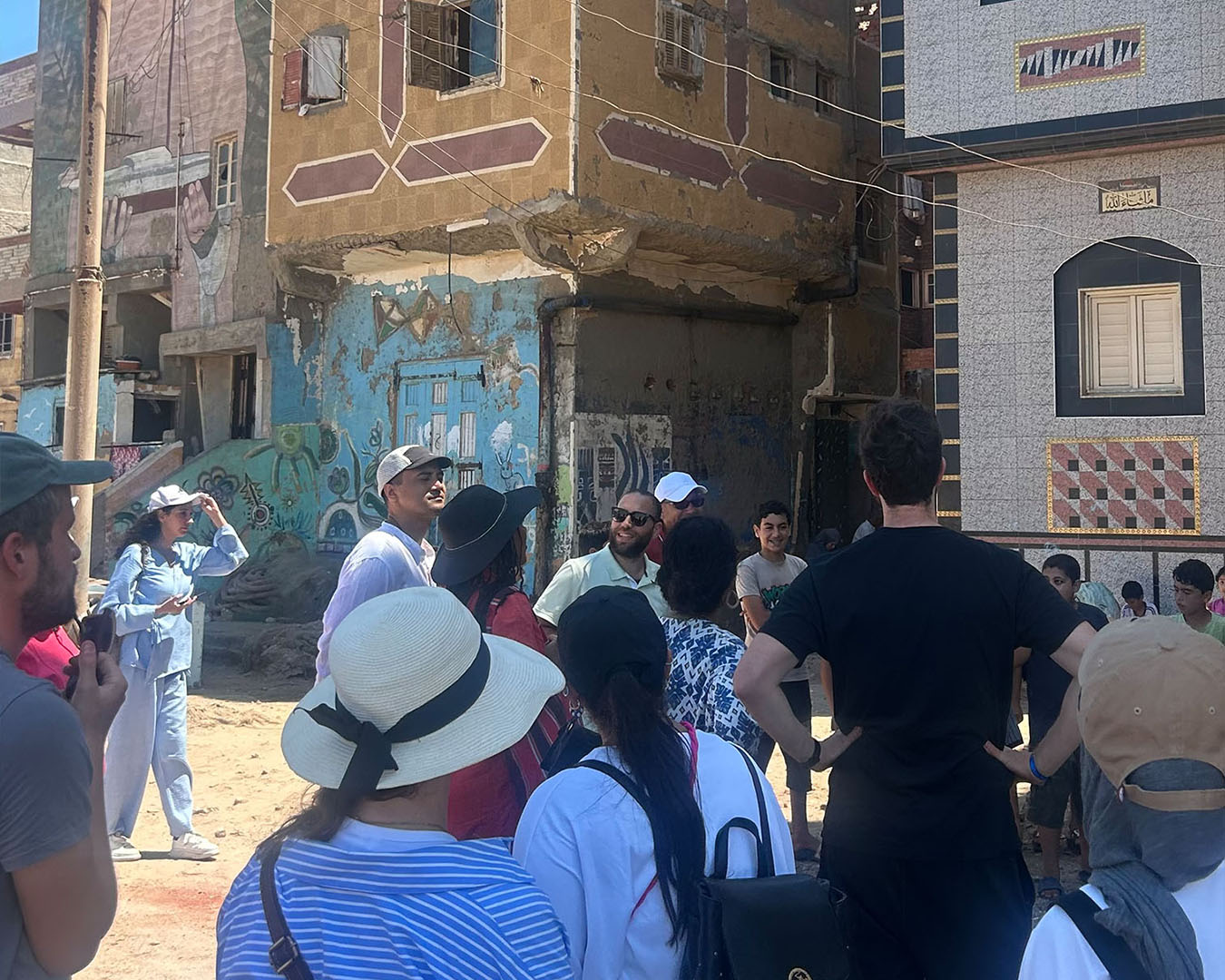
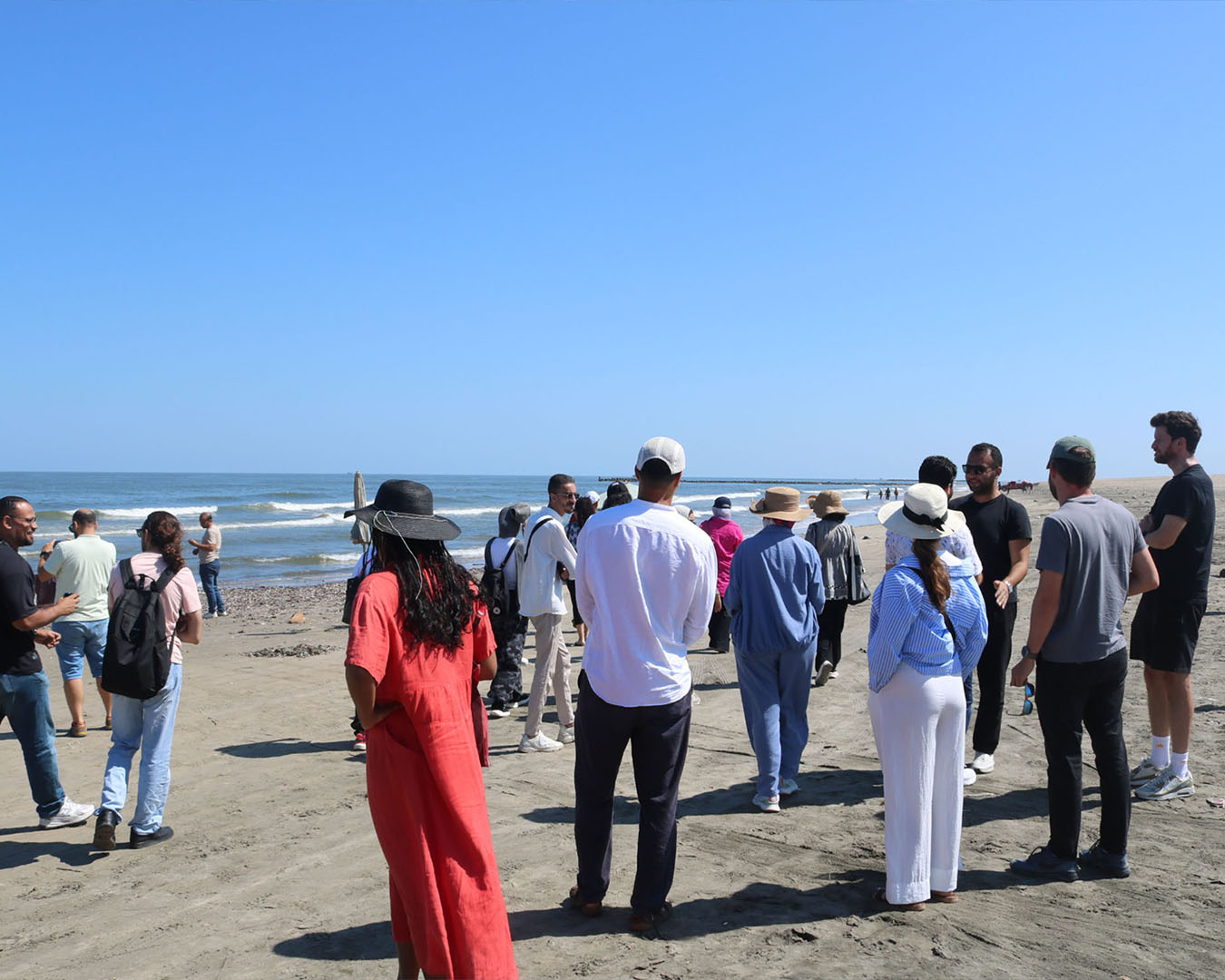
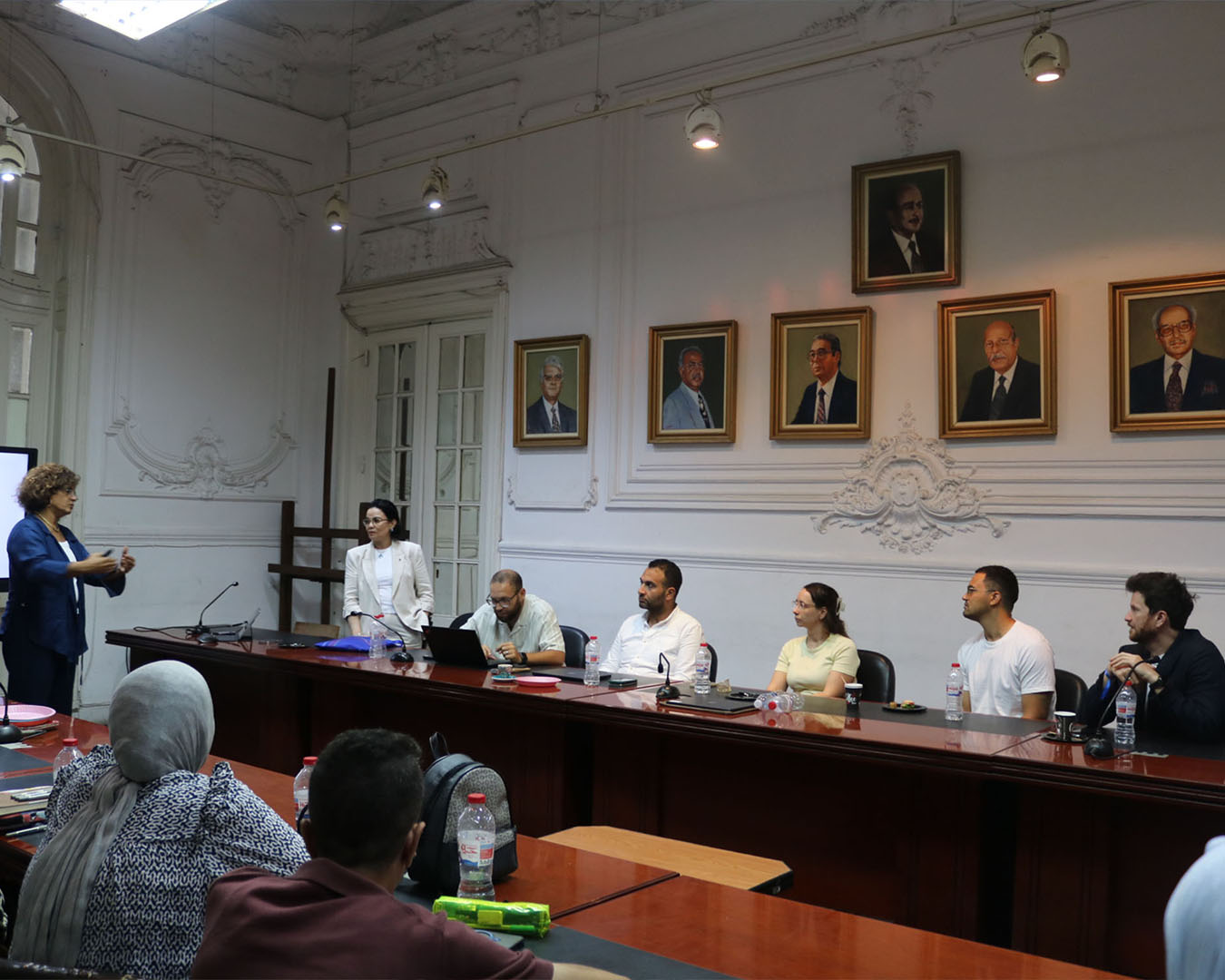
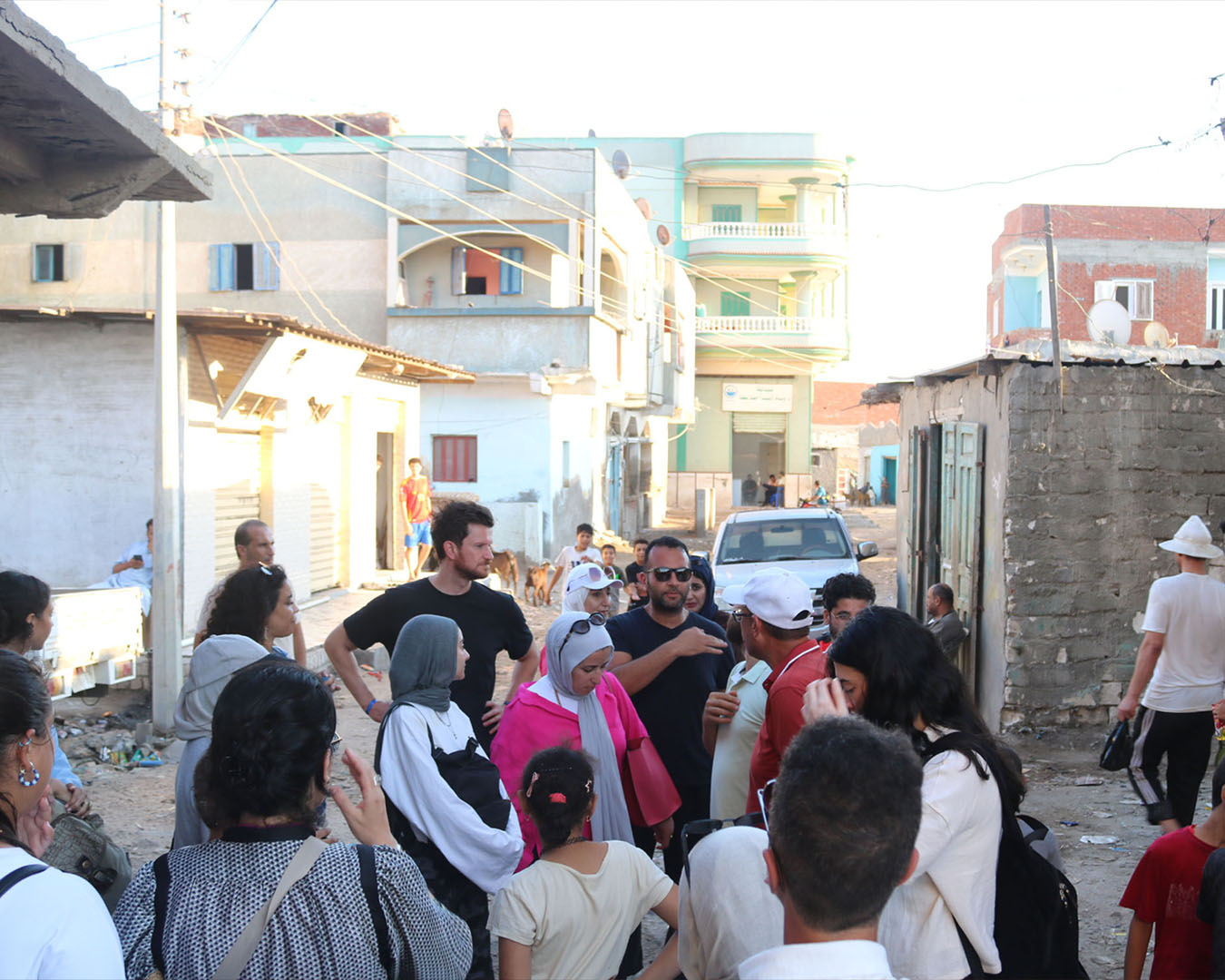
Media: © 2026 CT Lab, Faculty of Fine Arts – Alexandria University | Photos by Malak Harb & Mariam Sherif
We are now on Instagram and LinkedIn
From now on we also share our work on social media. On both channels we show what we are currently researching, give insights into our teaching and projects, and point to events relevant to urban design and mobility. Alongside this, we share observations from Rostock and from other cities facing similar questions. We look forward to exchange, questions and suggestions.
Instagram: nsmunirostock
LinkedIn: Lehrstuhl Nachhaltiger Städtebau & Mobilität
Housing in Transition: Key Insights and International Trends from WUF13 (World Urban Forum)
The World Urban Forum (WUF13) offered the opportunity to discuss the challenges facing our cities with experts from around the world. In conversations with colleagues from six world regions, four themes around housing emerged:
Quality over quantity: what increasingly counts is quality of life, not just the number of homes.
The "living" sector: investors are turning to housing models for ageing, new family structures and migration.
Long-term visions: successful cities follow a shared vision rather than individual projects.
Universities as partners: they strengthen municipalities with contextual and specialist knowledge.
The motto "Housing the World" got to the heart of it: housing is local and global at the same time.
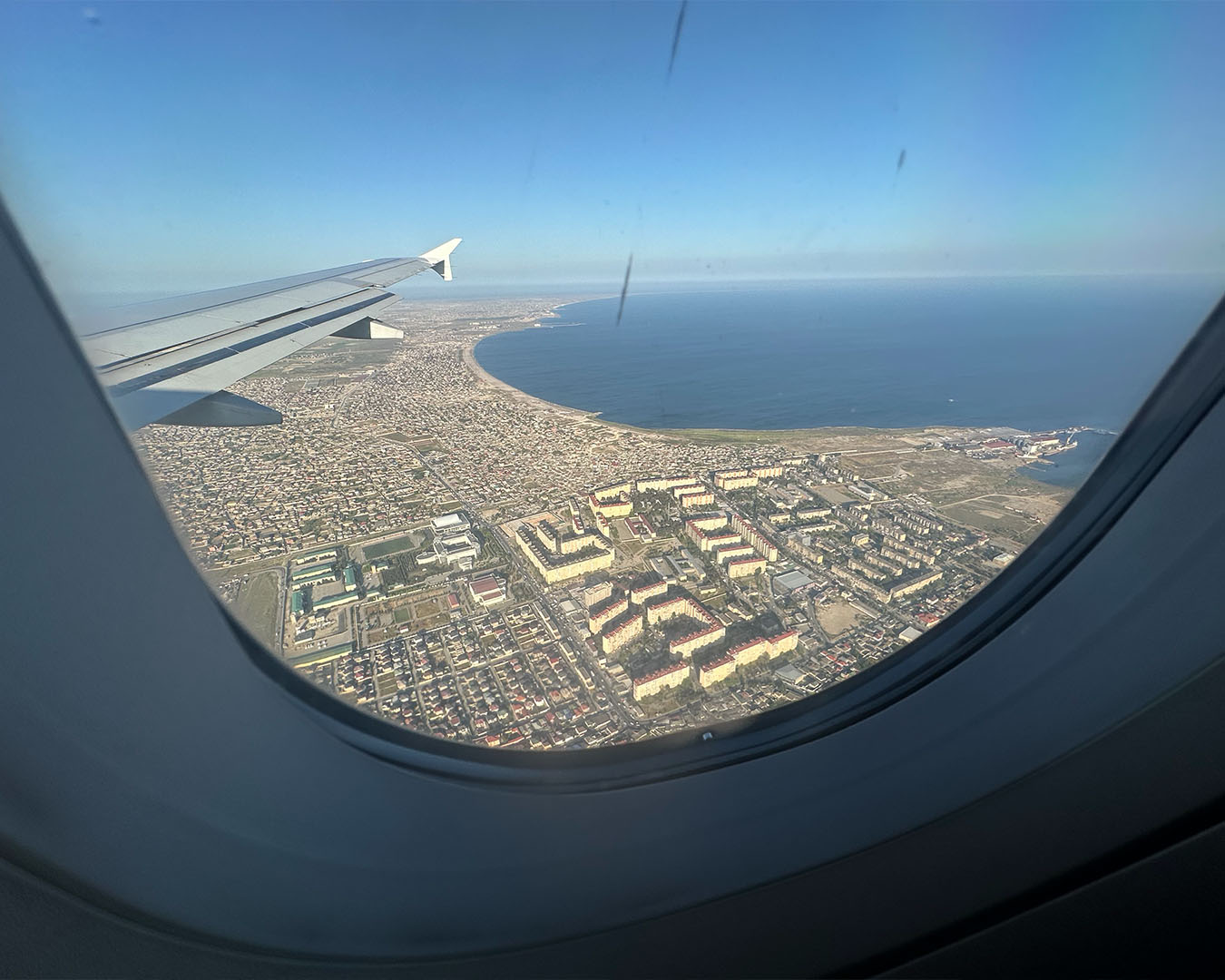
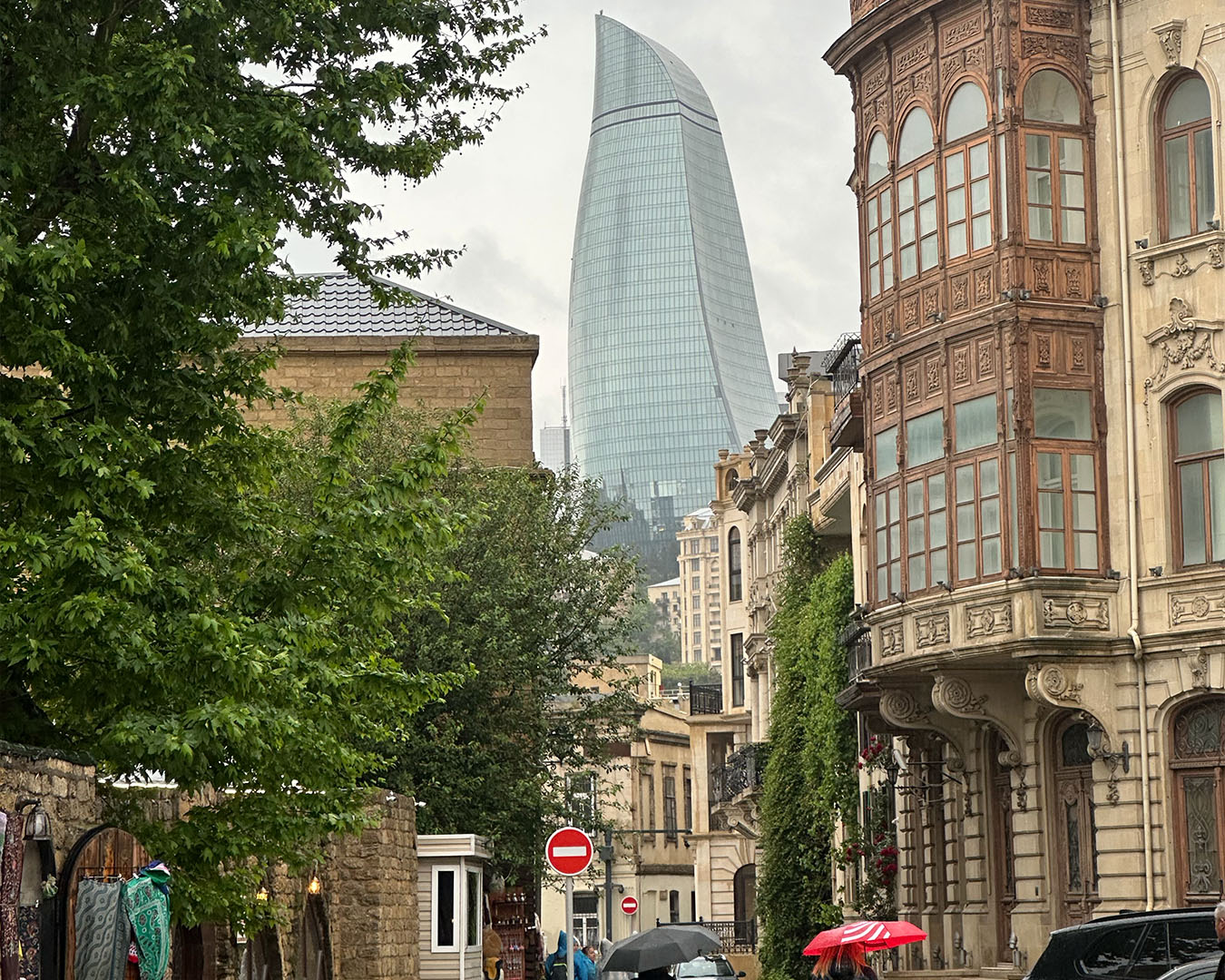
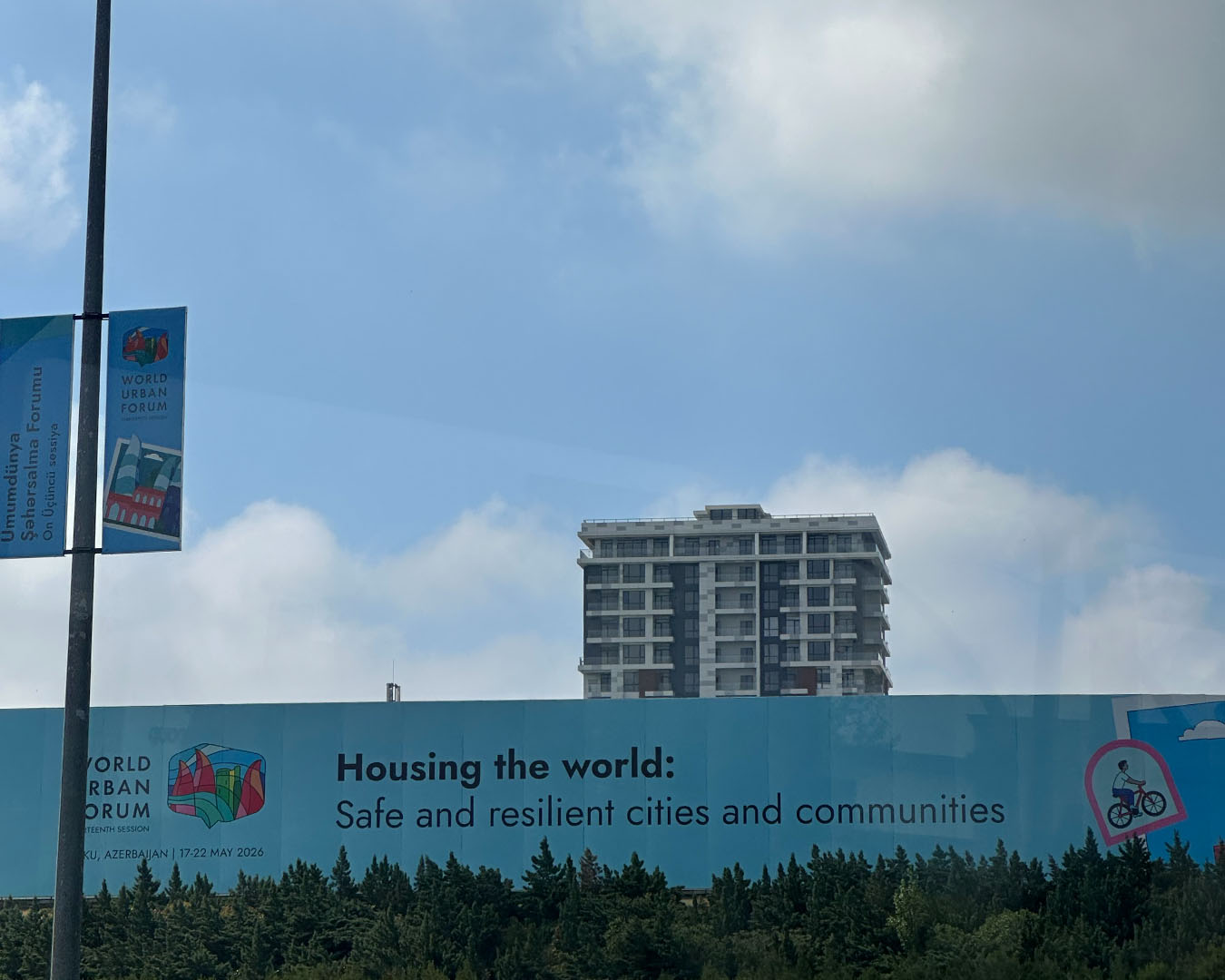
Photos: © Dr.-Ing. Mohamed ElGamal, during his participation in WUF 13 – Baku, Azerbaijan | University of Rostock
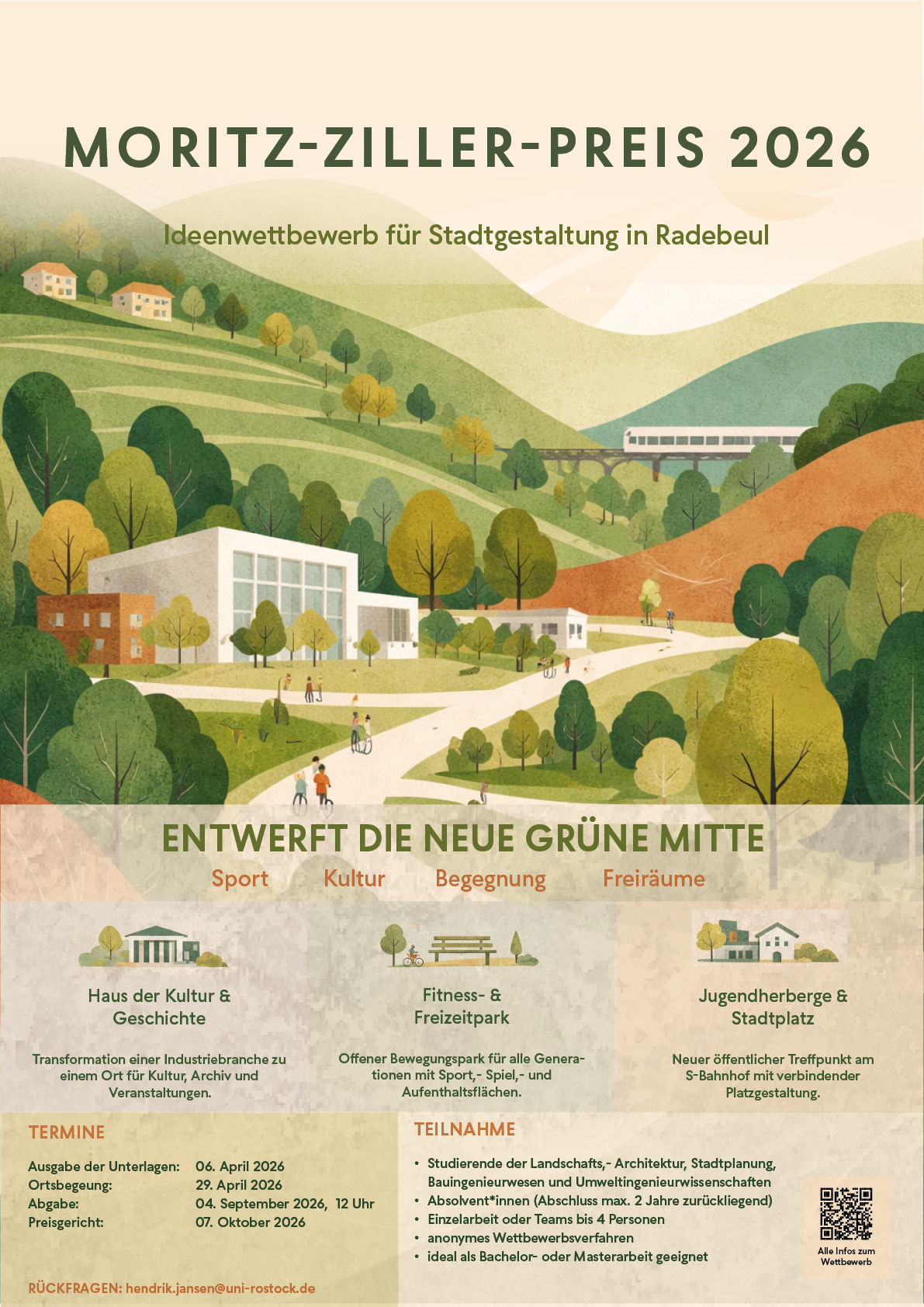
Moritz Ziller Prize 2026: Ideas Competition for Radebeul's New Green Centre
The City of Radebeul is launching the Moritz Ziller Prize 2026, an ideas competition in urban design. The task is to develop proposals for a new green centre: a house of culture and history on a former industrial site, a fitness and leisure park for all generations, and a youth hostel with a public square at the suburban railway station.
The competition is open to students and recent graduates (degree completed no more than two years ago) in landscape architecture, architecture, urban planning, civil engineering and environmental engineering, individually or in teams. Ideal as a final thesis project.
Submission: 4 September 2026, 12:00
Jury session: 7 October 2026
Full details: Moritz Ziller Prize 2026
Enquiries: hendrik.jansenuni-rostockde
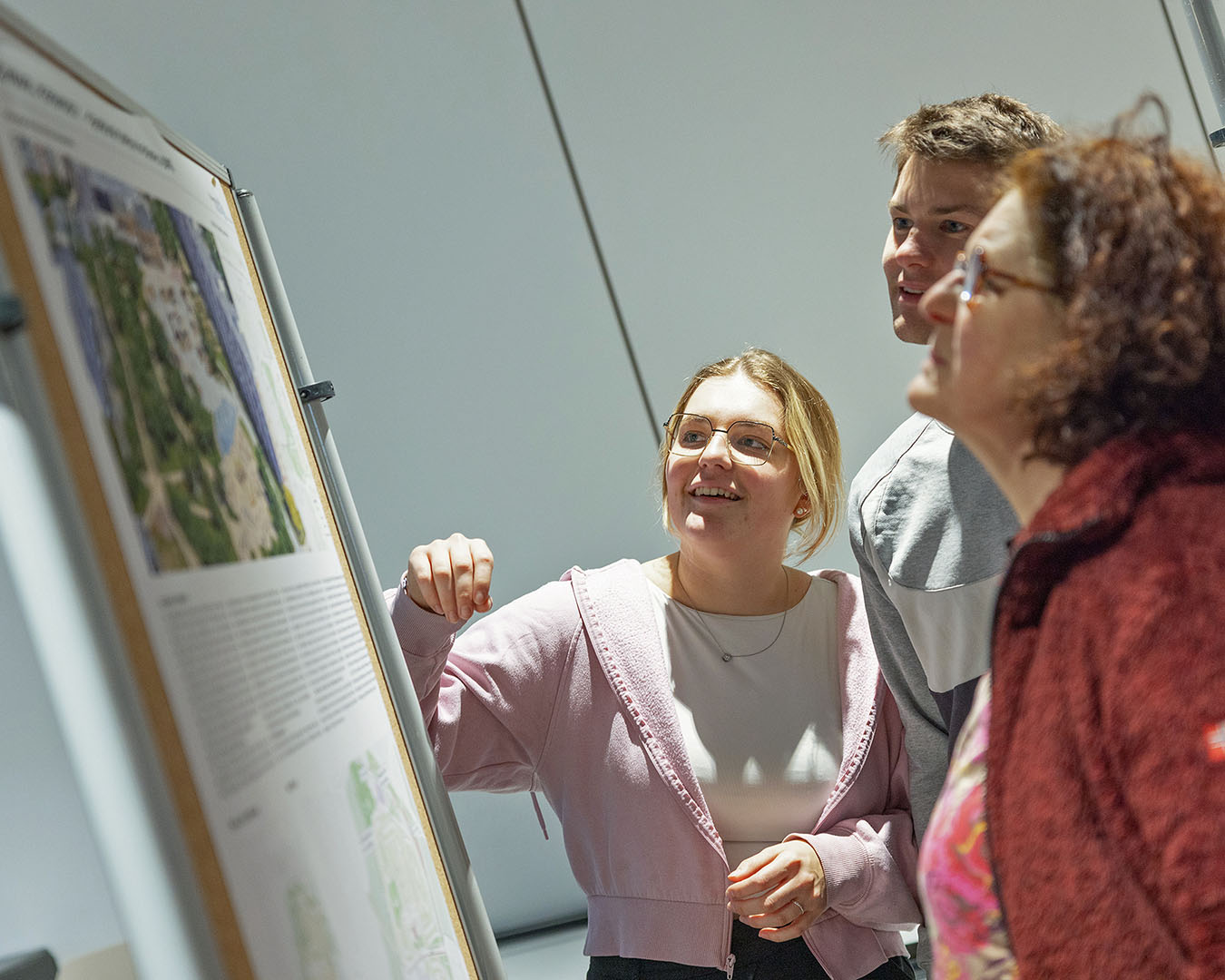
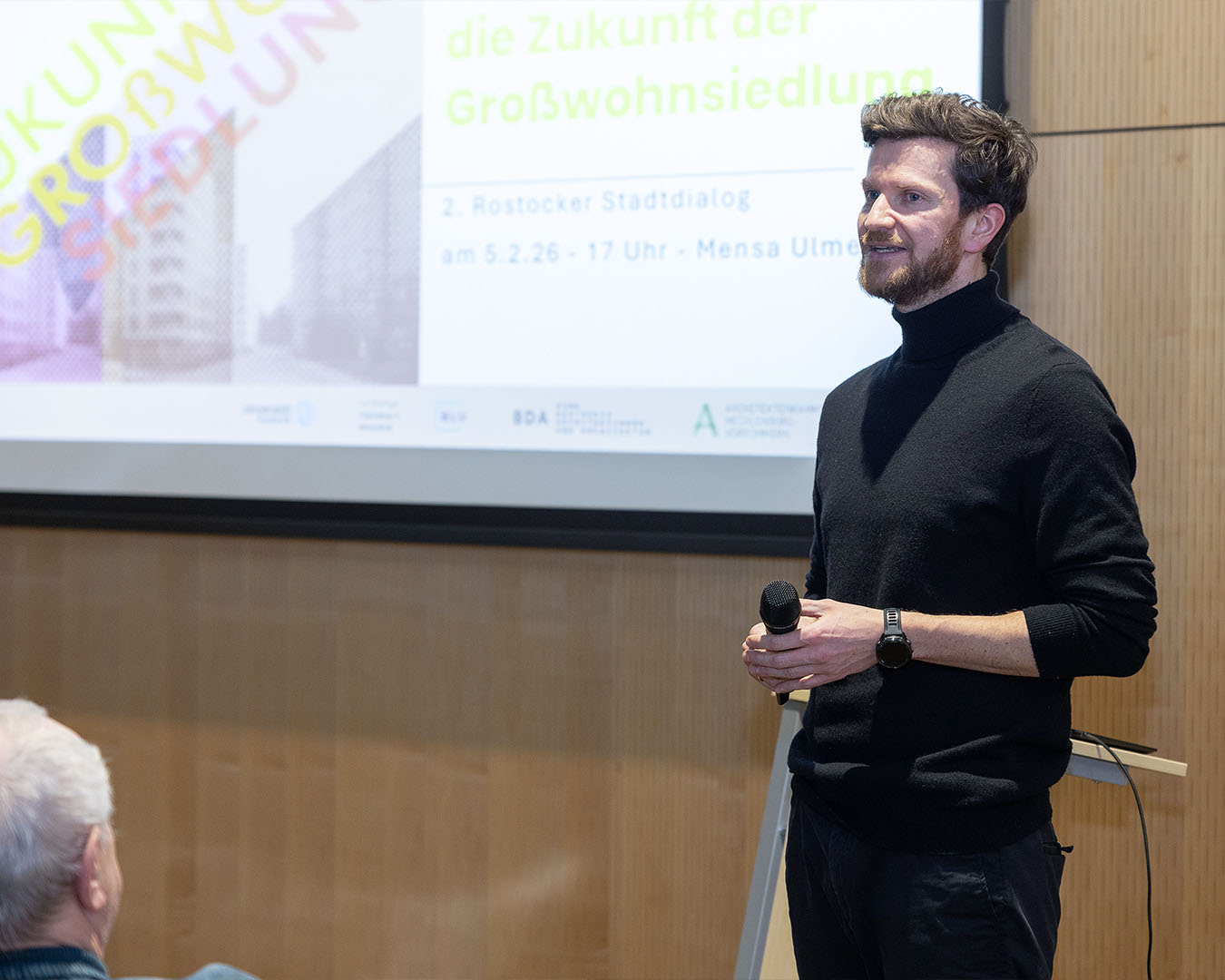
Rostock StadtDialog: "Mixed Platter"?
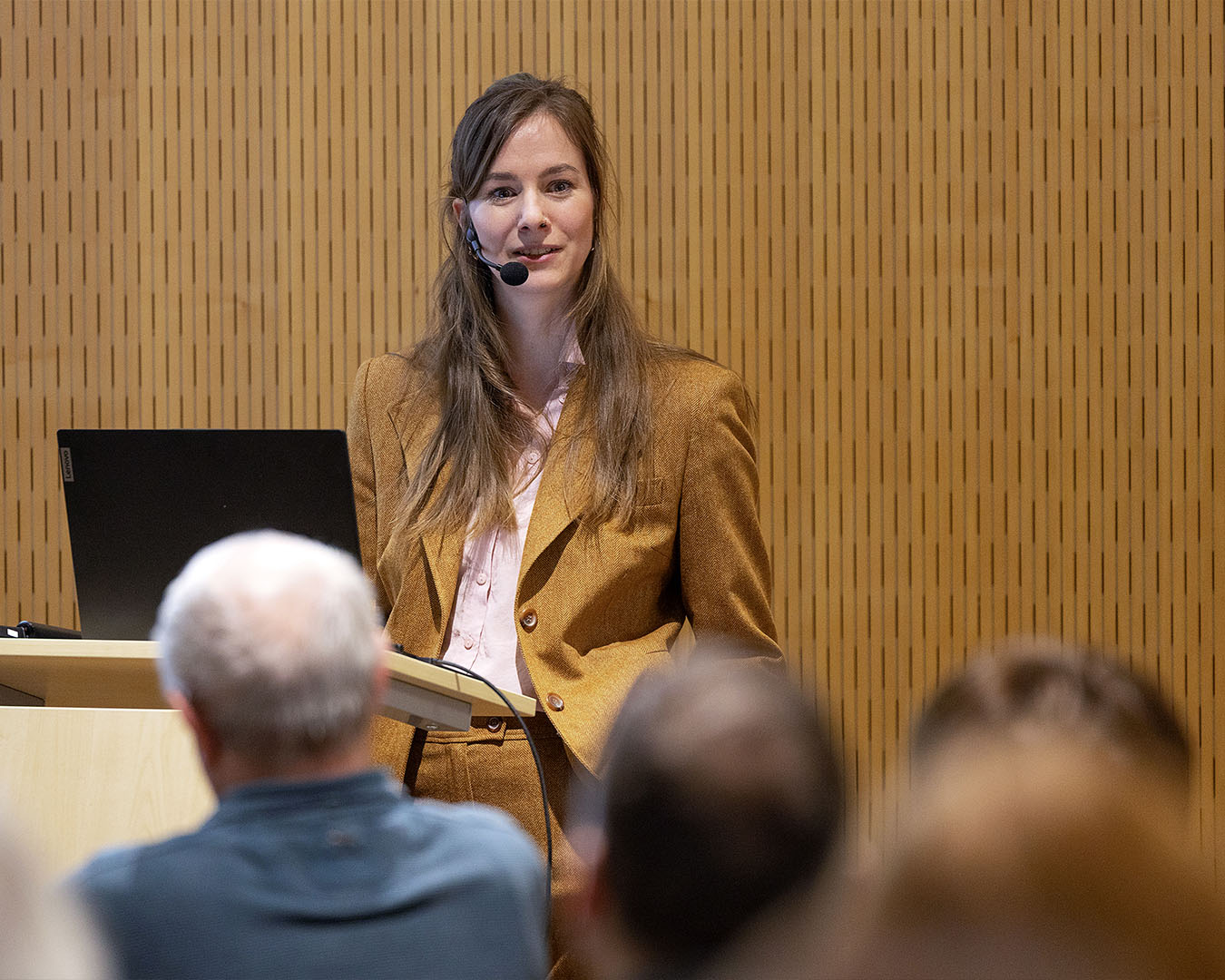
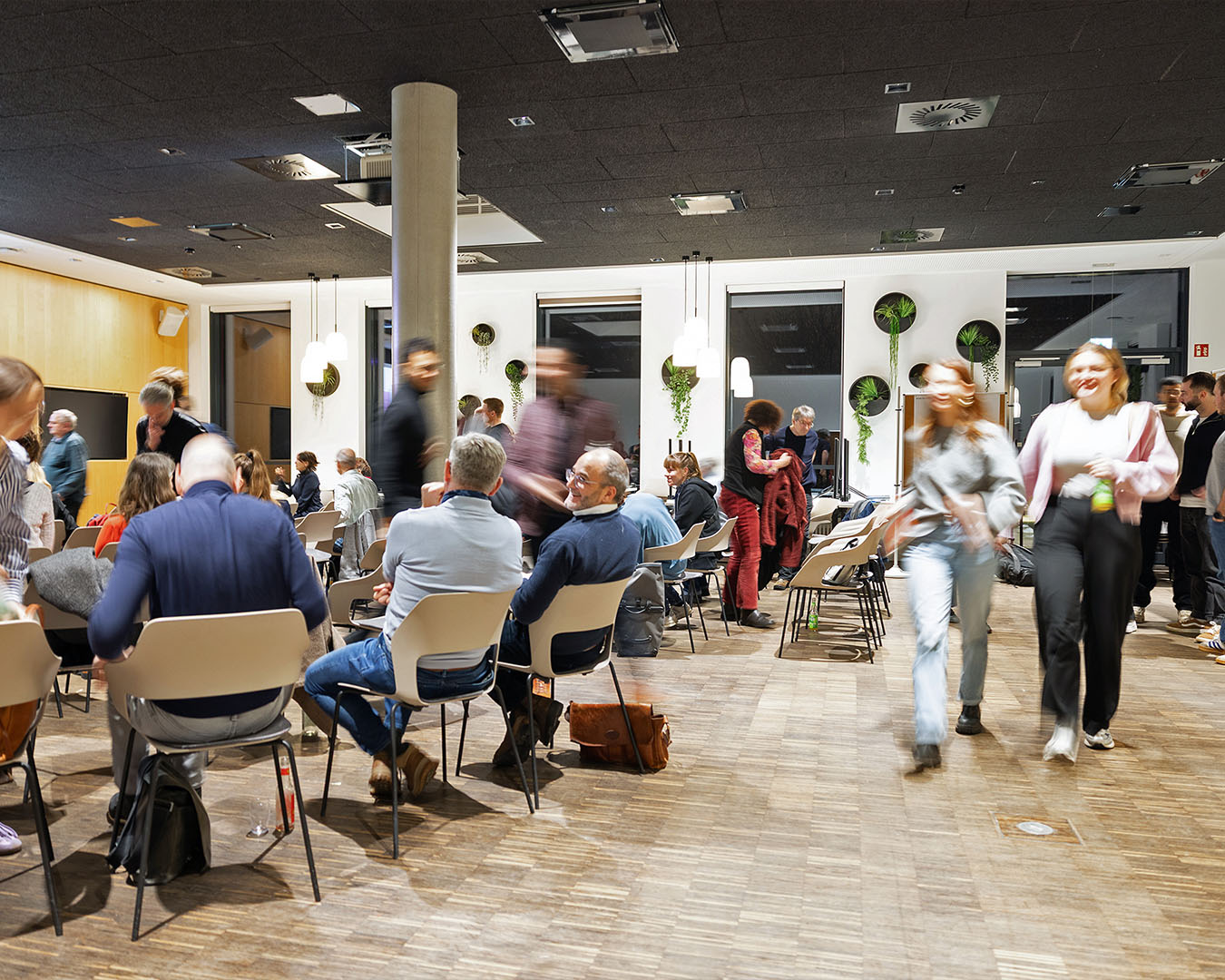
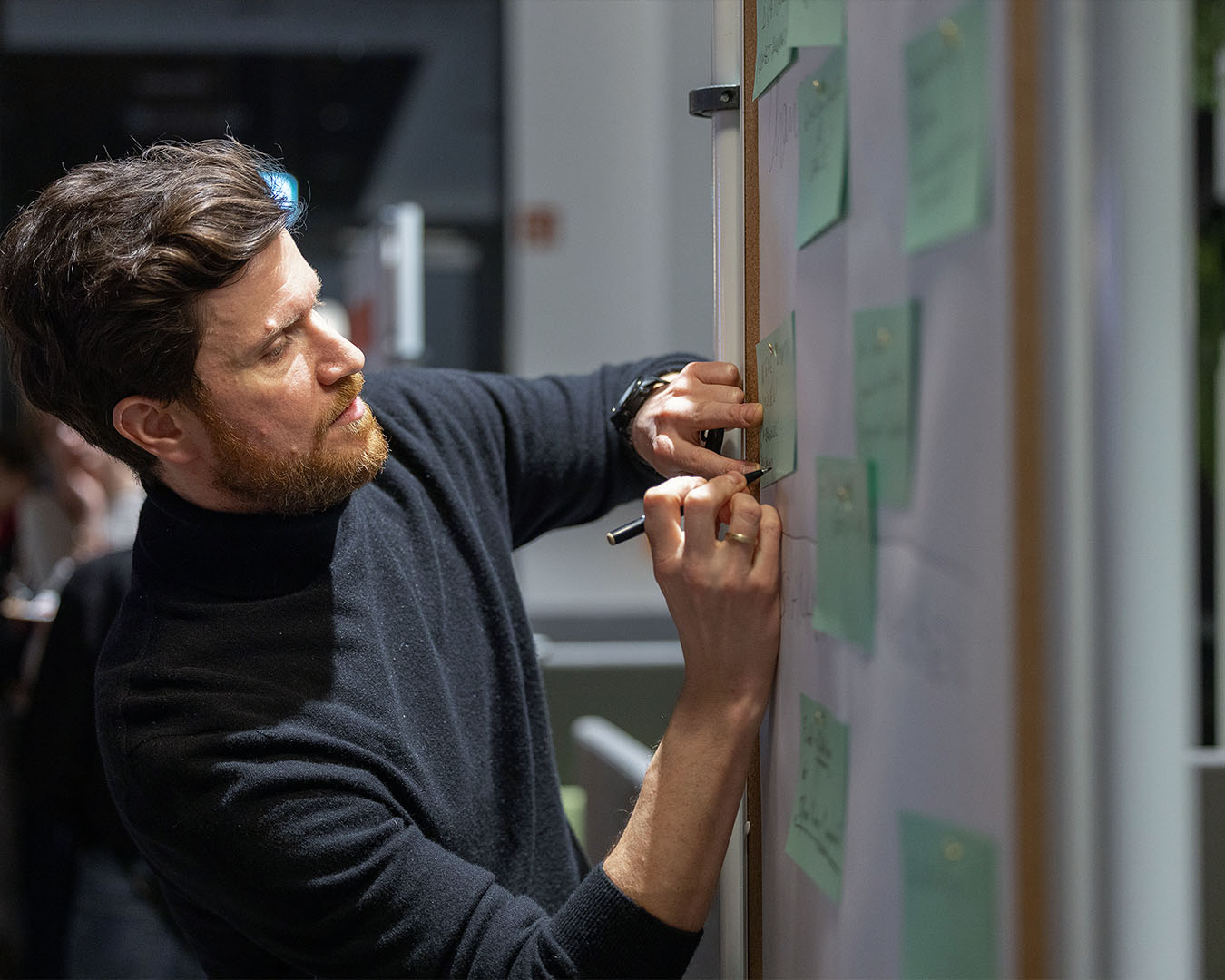
On 6 February 2026, we met at the Mensa Ulme in Rostock for the second Rostock StadtDialog and held an in-depth discussion about the future of large housing estates. The focus was on questions surrounding mixed use, new forms of housing, mobility, and the quality of public spaces.
One thing became clear: the Platte (prefab housing estate) is an important part of Rostock's urban structure – and holds great potential. Greater mixed use, especially on the ground floor, new forms of housing such as co-housing or multigenerational living, as well as the shift toward low-car, multimodal neighbourhoods were seen as key approaches.
The evening was moderated by Christin Noack, with input from Aylin Akyildiz, among others.
The next StadtDialog will take place on 4 May 2026 at Rostock City Hall – we look forward to seeing you there!
New book series with Springer Nature: "Transformative Urban and Regional Development"
Together with Jade University of Applied Sciences, our chair is editing a new book series with Springer Nature. The first volume, "Transformation Pathways: The Social-Ecological Transformation in City and Region", is expected to be published in early 2027.
It asks how cities and regions can shape the path towards climate neutrality and sustainability. Contributions from research and practice range from circular urban development and urban resilience to inner development and land policy, through to the mobility transition.
The volume is edited by Prof. Dr. Hendrik Jansen, Dr. Mohamed ElGamal, Prof. Dr. Jan Matthias Stielike and Prof. Dr. Radostina Radulova-Stahmer.

Hendrik Jansen appointed to the Smart City Rostock Expert Council
Great news: Hendrik Jansen has been appointed to the Smart City Rostock Expert Council! The council is tasked with advising the city on issues relating to digital urban development and providing forward-looking impetus.
Further information on Smart City Rostock
Position paper “Net-zero land consumption perspective” published
As part of a working group of the Academy for Spatial Development in the Leibniz Association (ARL), a position paper on reducing land consumption in Germany was published with the involvement of the Chair. The paper develops strategies on how a circular land economy can be implemented by 2050. You can find the publication here.
New appointment to the Professorship of Sustainable Urban Development and Mobility
The professorship for Sustainable Urban Design and Mobility has been filled by Hendrik Jansen as of 01.04.2024. He completed his studies in spatial and urban planning from 2006 to 2012 at the Technical University of Dortmund and San Diego State University in the USA. In his teaching, Professor Jansen wants to encourage students to design people-friendly cities that integrate urban planning and mobility and think in an environmentally friendly way. The economical use of land is just as important as sustainable urban design.