EQUATERRA: Healing the Land, Rebuilding the Future
The University of Rostock is contributing its expertise in the fields of building construction and waste and material flow management to the sustainable reconstruction of Ukraine.

The European research project EQUATERRA – Healing the Land, Rebuilding the Future has officially started, bringing together 14 partners from seven countries. Coordinated by the University of Maribor (Slovenia), the 48-month project focuses on developing innovative solutions for the environmental restoration and sustainable reconstruction of conflict-affected regions in Ukraine.
The project addresses contaminated soils, polluted water and large quantities of construction and demolition waste. Three Systemic Innovation Pilots in Ukraine will demonstrate bio-based remediation technologies, circular construction materials and AI-supported tools for environmental assessment and resource recovery.
Contribution of the University of Rostock
The University of Rostock participates through two research groups:
- Professorship of Concrete and Masonry Structures (Prof. Spyridis): Development and experimental testing of sustainable construction materials using recycled demolition waste and bio-based resources, structural design principles, and AI-assisted prediction of material performance.
- Professorship of Waste and Resource Management (Prof. Nelles and Dr. Sprafke): Expertise in waste characterisation, resource recovery, material flows and circular management strategies, supporting the safe and efficient reuse of construction and demolition waste.
Together, the research groups contribute to evaluating the technical performance, safety and circularity of recovered materials, including risk assessment and consideration of European construction product requirements.
Working closely with Ukrainian partners, particularly the Kyiv National University of Construction and Architecture, the University of Rostock will support the development and validation of practical solutions for circular reconstruction.
EQUATERRA combines environmental restoration, resource management and sustainable construction to transform conflict-related waste into valuable resources for rebuilding.
The project is supported by the European Union's Horizon Europe research and innovation programme.
HUBS4BUILD launches: Advancing circular construction in the Greater Rostock region

The Horizon Europe project HUBS4BUILD started in September 2026. Over four years, 39 partners from 13 countries will work together to transform regional biomass and waste into valuable construction materials, supporting a more resilient and sustainable built environment.
Our contribution builds on the interdisciplinary collaboration between the chairs of Concrete Structures, Waste and Material Flow Management, and Sustainable Urban Development and Mobility, with support from Kompetenzzentrum Bau MV. This collaboration brings together expertise in construction, resource management and urban development, connecting research with regional practice.
Greater Rostock is one of the project’s two scaling hubs. It will develop strategies for the wider adoption of circular construction solutions, focusing on governance, policy integration and innovative business models.
Across its network of 13 regional Circularity Hubs, HUBS4BUILD will develop and validate nine bio-based construction products. The project aims to put around 700 tonnes of local waste to productive use and train 200 local professionals. By connecting businesses, researchers, public authorities and communities, the hubs will help establish lasting regional partnerships and circular value chains.
HUBS4BUILD is funded by the European Union’s Horizon Europe programme under grant agreement No. 101291180.
Our team at Science@Sail 2026 in Rostock


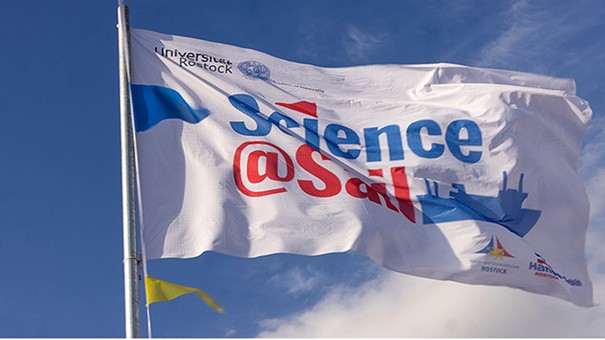
From August 6 to 9, 2026, our team was represented at the Science@Sail Campus of the University of Rostock in the city harbor. The exhibition New Ways to the Water was at the heart of the event, where Master’s students in Civil Engineering presented six design proposals for a new pedestrian and cycling bridge over the L 22. Developed as part of the Integrative Project, the concepts combine structural engineering with architecture, urban planning, sustainability, BIM, and economic feasibility.
Christian Meier coordinated the presentation of the students’ work, while Paul Henke provided hands-on support with setting up the stage, containers, tents, and exhibition stands. Further contributions from the Civil Engineering department included our students’ self-built concrete canoe, as well as a presentation by Prof. Panagiotis Spyridis on the circular economy in construction, entitled “How to Recycle a House!”
Once again, Science@Sail provided an excellent opportunity to bring research, teaching, and current issues in civil engineering to a broad audience.
Technical field trip to the Berlinertordamm Bridge and the construction site of the new U5 subway line in Hamburg on June 12, 2026.
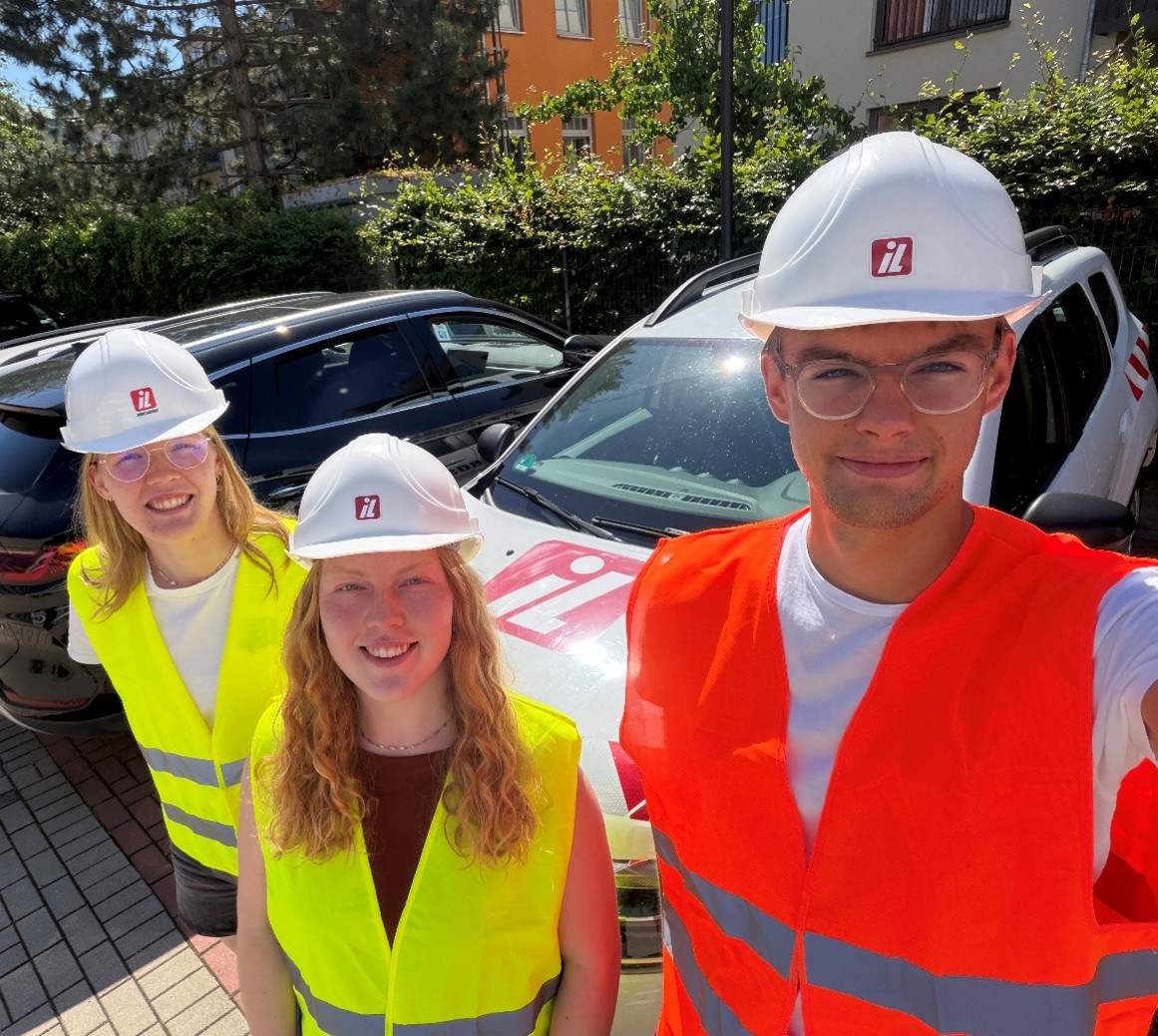
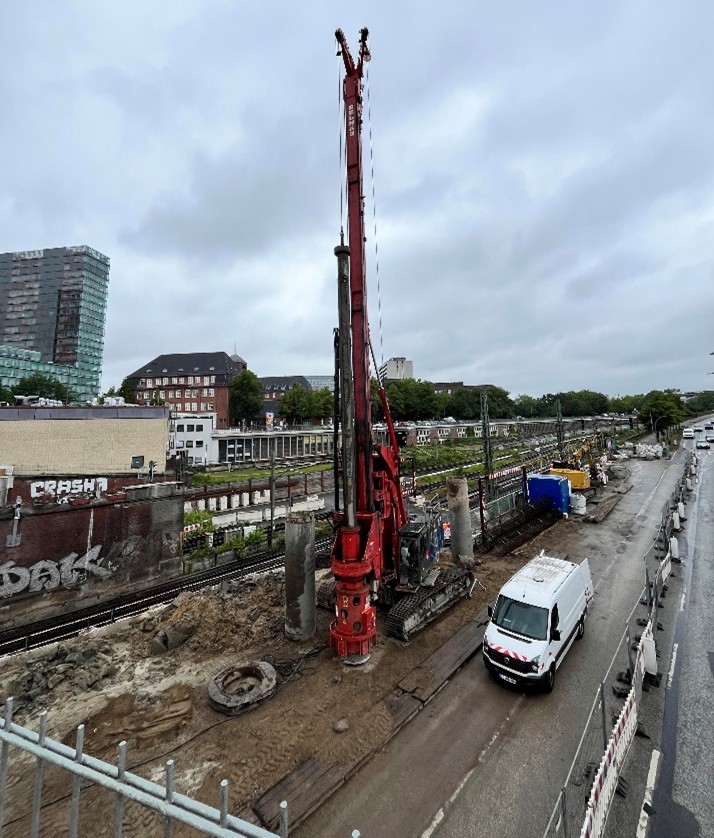
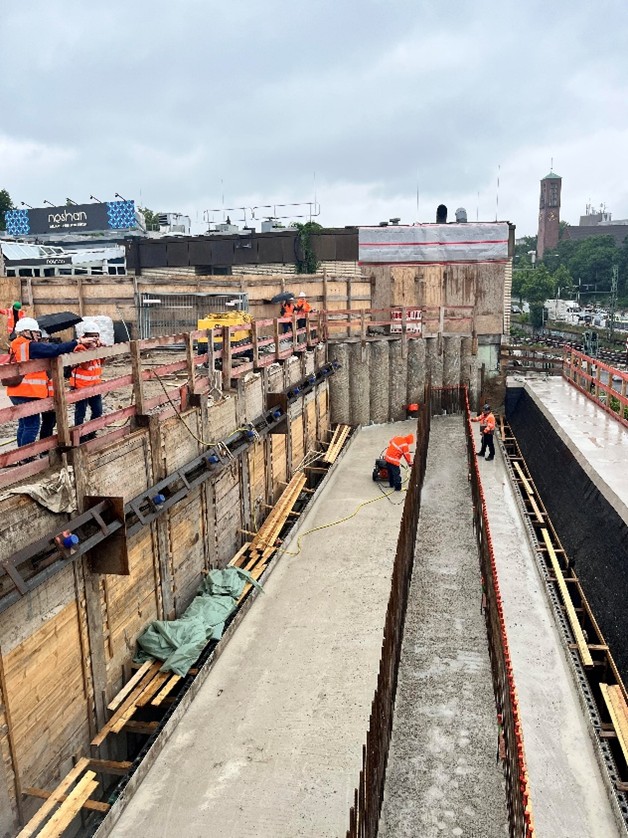
On Friday, June 12, 2026, the entire Bridge Engineering team from INROS LACKNER Rostock travelled to Hamburg for an exciting technical field trip. We were joined by our Hamburg colleagues from the Structural Engineering Department, students from the University of Rostock working as student assistants at INROS LACKNER, and students from HafenCity University Hamburg (HCU).
After a breakfast together, our first stop was the construction site of the new Berlinertordamm Bridge. The bridge spans both road traffic and five railway tracks – three Hamburg S-Bahn tracks and two long-distance tracks operated by Deutsche Bahn.
Following an introduction to the project by Department Head Jörg Alex and a representative of the client, LSBG, we had the opportunity to explore the construction site and see the progress at close range.
Building a bridge of this complexity while keeping road and rail traffic running presents a major challenge. Construction activities in the track area also require close coordination with Deutsche Bahn and Hamburg S-Bahn well in advance. Seeing how these requirements are managed on site provided valuable insights into the realities of large-scale infrastructure projects.
The bridge superstructure is designed as a single cross-section but is being constructed in two stages and will ultimately be connected by a concrete closure pour. During our visit, the abutments and wing walls of the second construction stage were under construction, while the first section of the superstructure was already open to traffic.
Another highlight was the deep foundation of the piers using large-diameter bored piles. Once completed, the new bridge will also feature a plant trough approximately 100 metres long and 4 metres wide. Integrated into a green corridor extending on both sides of the bridge, it will add an interesting ecological dimension to the structure.
Our second stop was the construction site of Hamburg’s new U5 underground railway line. With 22 stations and a planned route length of around 25 km, the project is currently the largest underground railway project in Germany.
After an introduction by the responsible site manager, short films and visualisations provided an impressive overview of the project. We then visited two future U5 stations and gained first-hand insights into the construction process.
One of the key challenges is Hamburg’s high groundwater level. The approximately 30-metre-deep excavation pits therefore have to be constructed in stages, initially under dry conditions and later below the groundwater level. At the future Barmbek Nord station, we were even able to descend around 15 metres into the excavation pit.
Seeing such a huge infrastructure project from this close was an impressive experience for everyone involved. In the future, up to 16 tunnel boring machines are expected to operate simultaneously at times, with the aim of putting the new line into operation around 2040.
Both projects demonstrated just how many technical, organisational and logistical aspects need to be considered long before construction begins. They also showed how important close cooperation between planners, contractors, clients and other stakeholders is for the successful delivery of major infrastructure projects.
A big thank you to our colleagues, the project representatives and everyone involved for the insights, the open discussions and for answering all of our questions so thoroughly!
For us as employees and students alike, the field trip was an inspiring and hands-on experience – and a great opportunity to gain new perspectives on the everyday challenges of large-scale bridge, railway and underground construction.
Anika, Anica & Jonathan
Students at the University of Rostock & Student Assistants at INROS LACKNER
Report on the Field Trip to the A26 West Motorway Construction Site near Hamburg on May 28, 2026
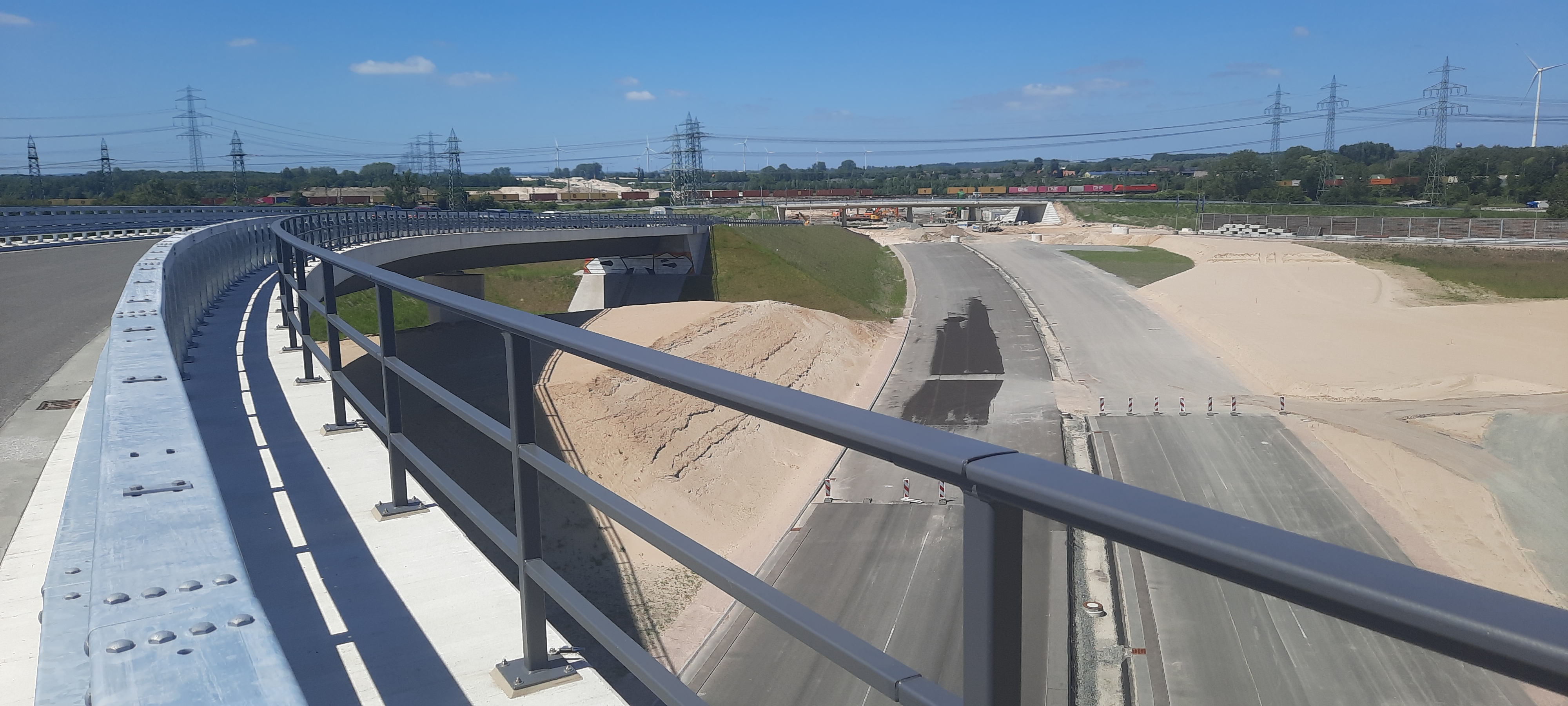
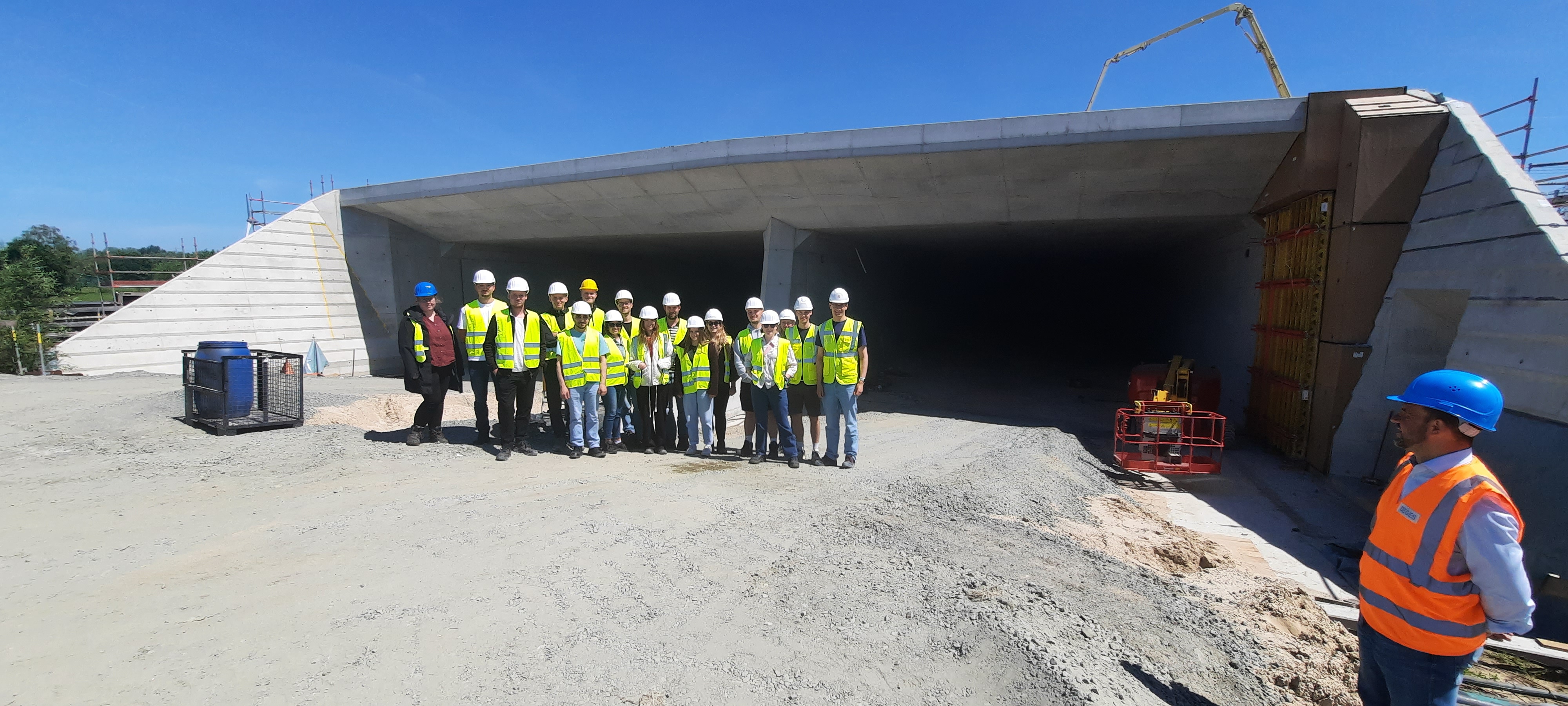
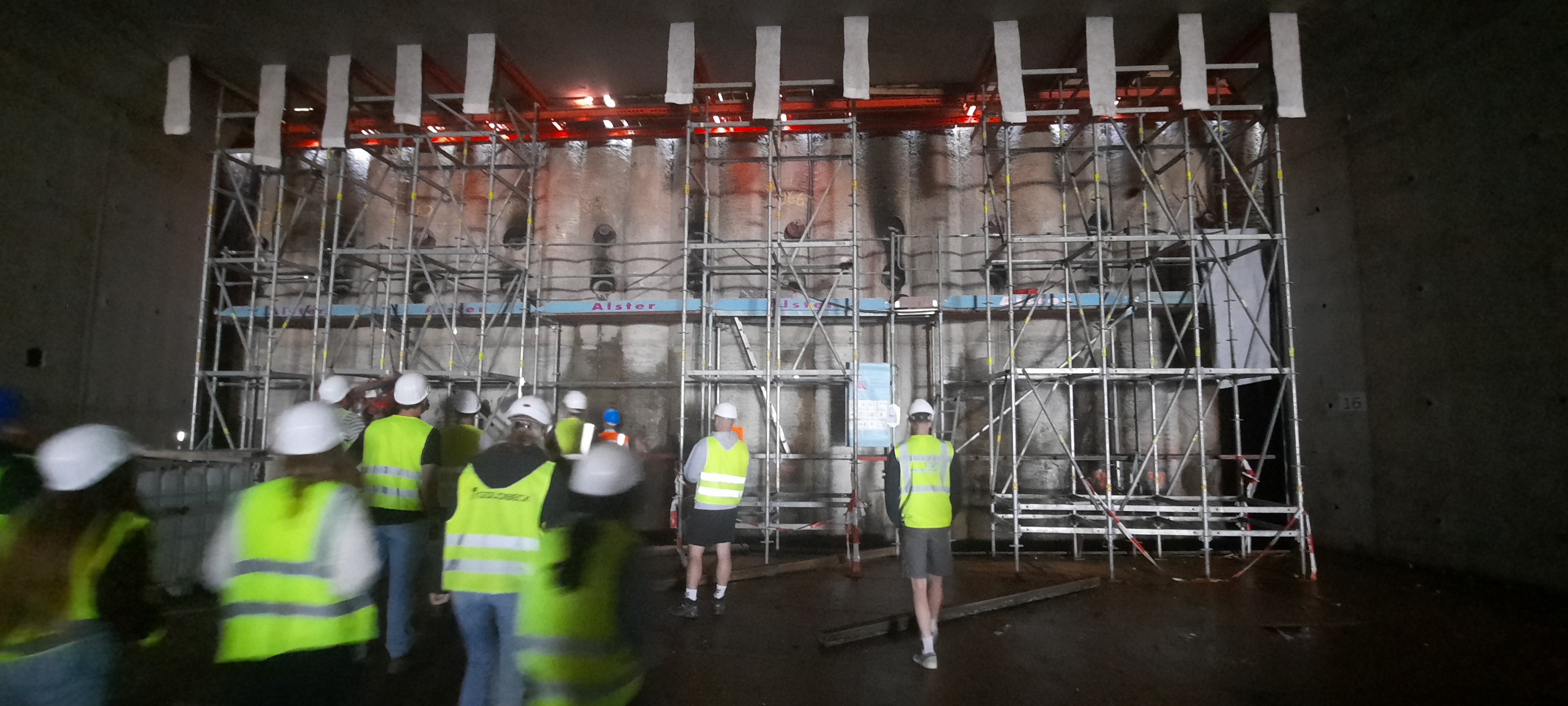
The aim of our field trip to Hamburg on May 28 was to visit the construction site of the new A26 West motorway. The project includes the construction of approximately 8.0 km of the A26 and 3.7 km of the A7, including noise barriers and stormwater treatment facilities, as well as 17 bridges and a 190-metre-long tunnel. The planning and construction of the project are being carried out under the responsibility of DEGES. Mr Scheer and his colleagues, including representatives from the engineering consultancies involved, gave us a warm welcome. A detailed overview of the individual construction measures can be found at the link below.
The complex transport infrastructure project is being implemented by DEGES GmbH. During a presentation on site, we gained valuable insights into the challenges associated with this large-scale project.
For example, the western section of the route separates agricultural areas to the north from a bird protection area to the south. The specific requirements and needs of both areas therefore have to be taken into account throughout the planning and construction process. The low bearing capacity of the peat soil, combined with the considerable dead and traffic loads, requires carefully coordinated ground improvement measures during construction.
In addition, the project is located within a drinking water protection area. This makes carefully planned and implemented water protection measures essential, both during the construction phase and for the future operation of the motorway.
Another major challenge during construction is to minimise disruptions to existing traffic wherever possible. This applies not only to the existing motorway but also to the railway connection serving the Port of Hamburg’s western harbour.
Following the presentation, the group, equipped with high-visibility vests and helmets, travelled to the so-called “Überflieger” – a steel–concrete composite bridge constructed on a curve, which will eventually cross the entire A26/A7 motorway interchange.
As the field trip continued, we also visited the tunnel beneath the railway tracks that provide freight access to the Port of Hamburg’s western harbour. At present, the tunnel ends at a secant pile wall, which supports the difference in ground level to the A7, which remains in operation above. As part of the future A26 East project, the tunnel will be extended and will eventually emerge above ground again.
The field trip provided us with an impressive insight into the complexity of large-scale transport infrastructure projects and the wide range of technical, environmental and logistical challenges that need to be addressed during planning and construction.
Further information about the project can be found at the following link:
Field Trip to the Former Lubmin Nuclear Power Plant on May 27, 2026
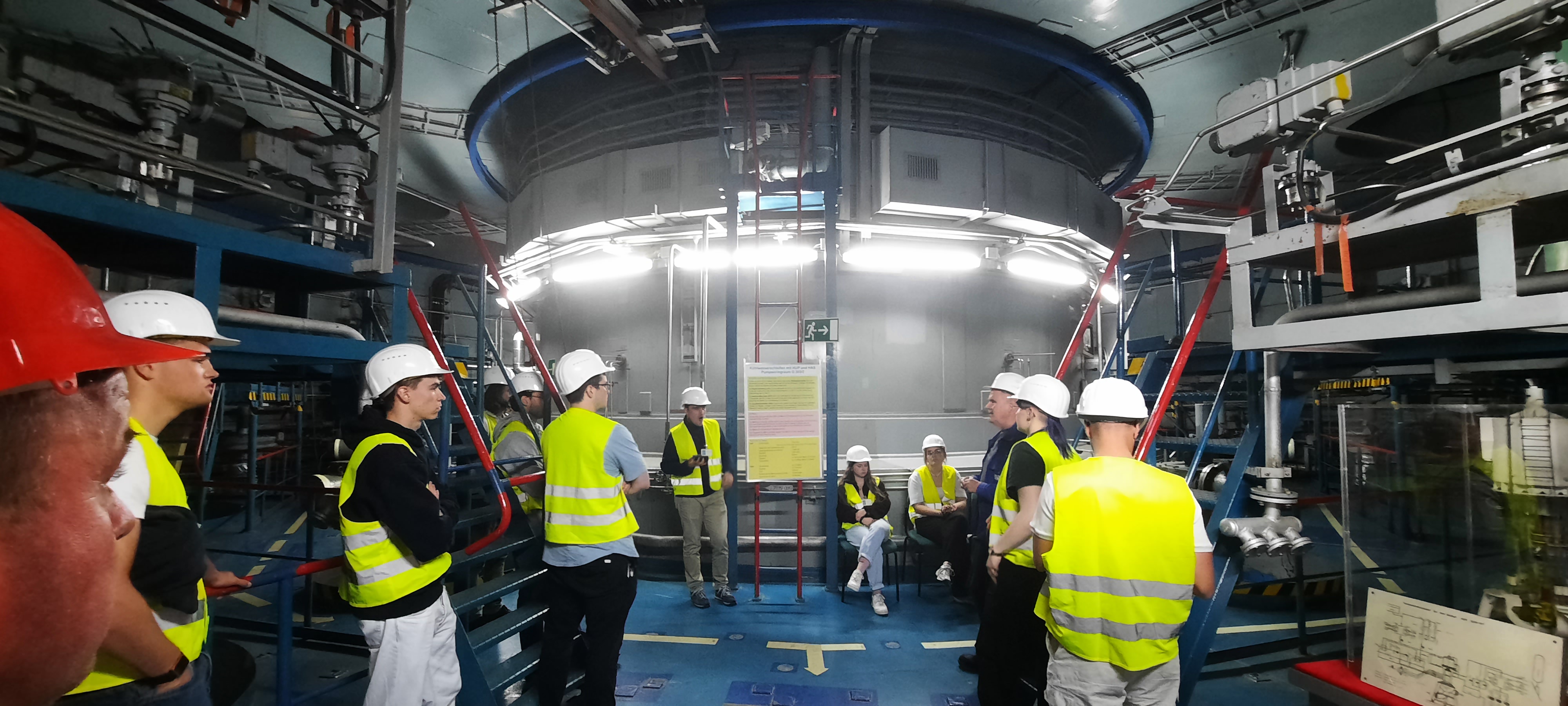
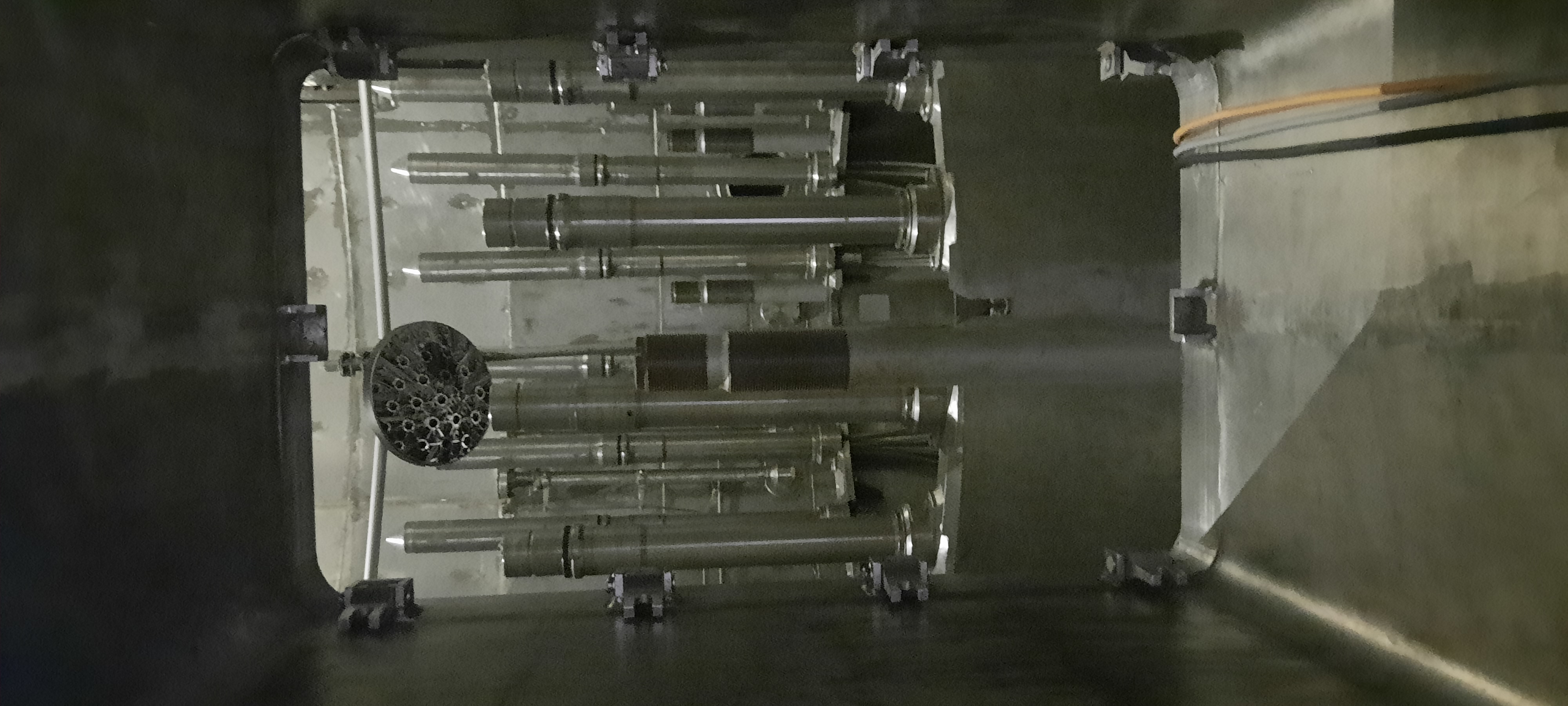
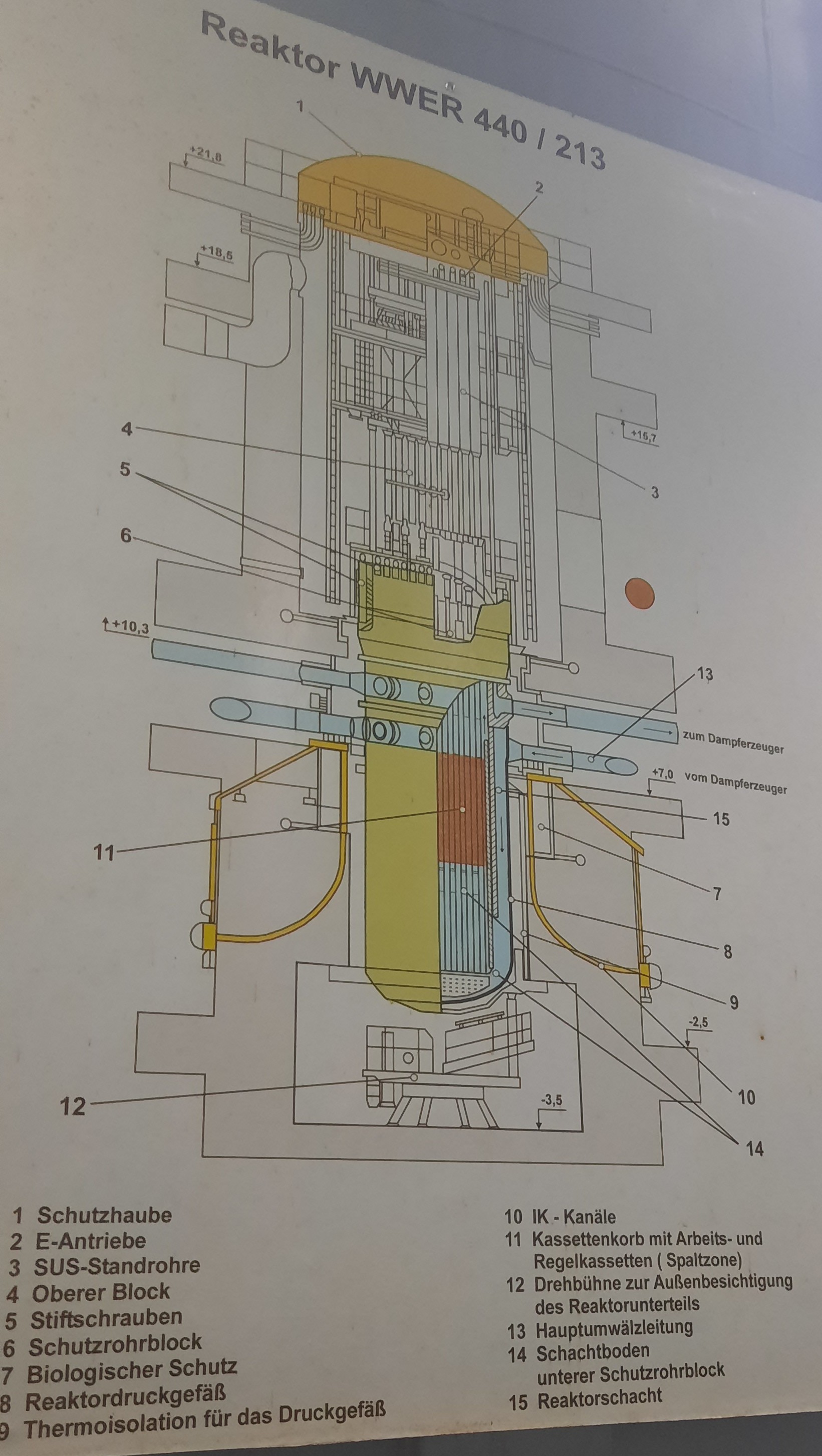
On May 27, 2026, we had the opportunity to visit the former Lubmin Nuclear Power Plant near Greifswald. Alongside the site in Rheinsberg, the plant was one of two locations in the former GDR where electricity was generated from nuclear power.
At the time, Reactors 1–4 were connected to the grid and generated electricity for approximately 18 years, until German reunification in 1990. Four additional 440 MW reactors of a newer generation were planned, some of which had already been partially completed. These reactors featured, among other things, higher safety standards. However, following German reunification, continued commercial operation of the plant could no longer be guaranteed due to the outdated safety standards, particularly those of Reactors 1–4. As a result, the decision was made to shut down the facility and begin the decommissioning and dismantling of the site.
Had construction not been interrupted by German reunification, the plant, with a total of eight reactors, would have been one of the largest and most modern nuclear facilities in the world. Nuclear power plants of this type, based on second-generation Russian technology, are still in operation today in the Czech Republic, Russia, Hungary, Slovakia and Ukraine.
Upon our arrival at the site, we were welcomed by representatives of EWN. Following an introductory presentation and a Q&A session, we were guided through one of the reactor buildings. During the tour, we received further interesting insights into both the plant’s former operation and its ongoing decommissioning.
Particularly fascinating were the methods used for decontamination, the surprisingly small amount of material that is actually contaminated following the dismantling of such a large facility, and the alternative storage methods that already exist and are commercially viable today as alternatives to Castor containers. Interested students even had the opportunity to take a look inside the reactor that was never put into operation.
After an informative and insightful day, we headed back to our faculty in Rostock in the afternoon.
Report on the Field Trip to the World’s Tallest Wind Turbine in Schipkau on May 19, 2026
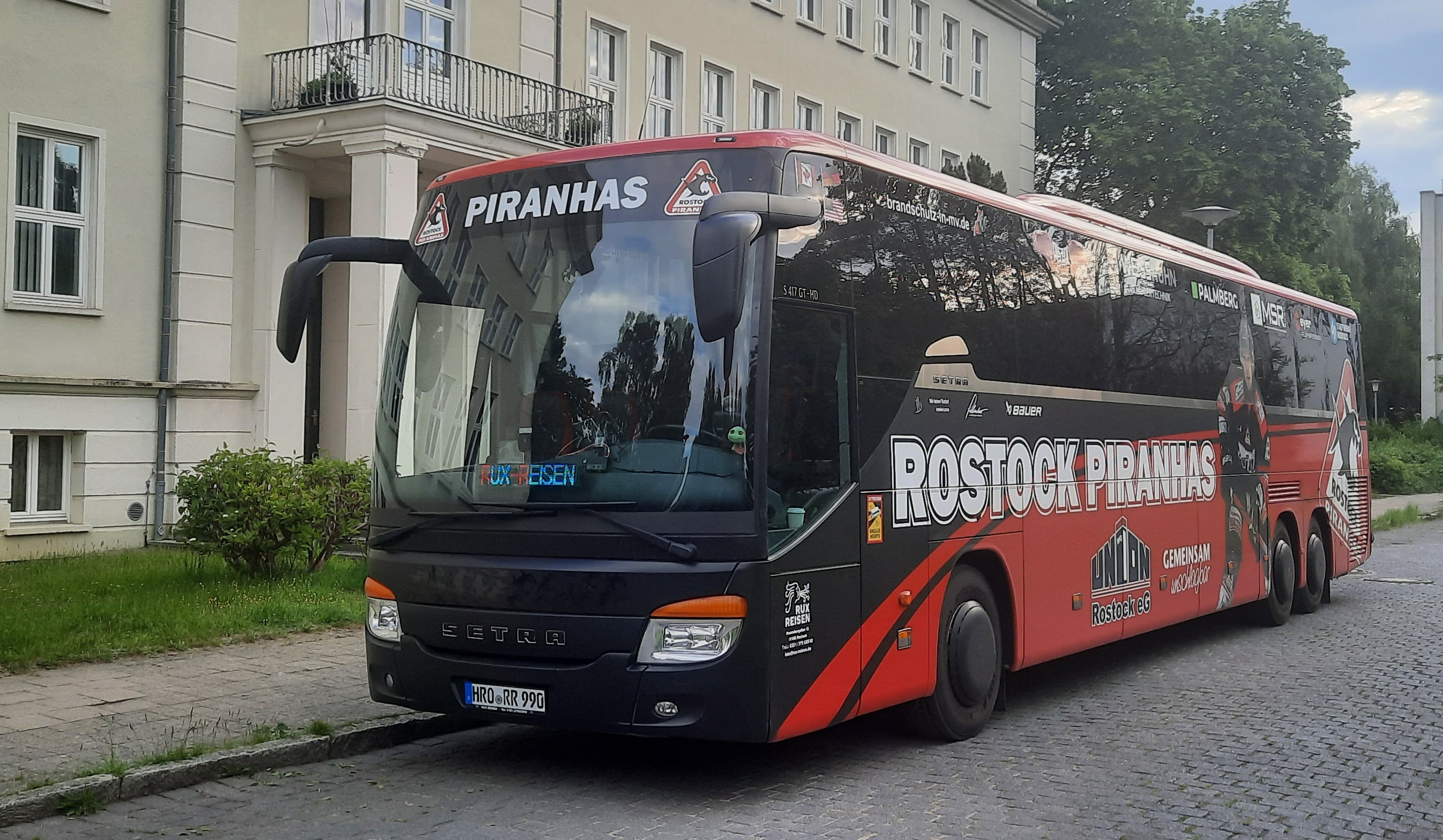
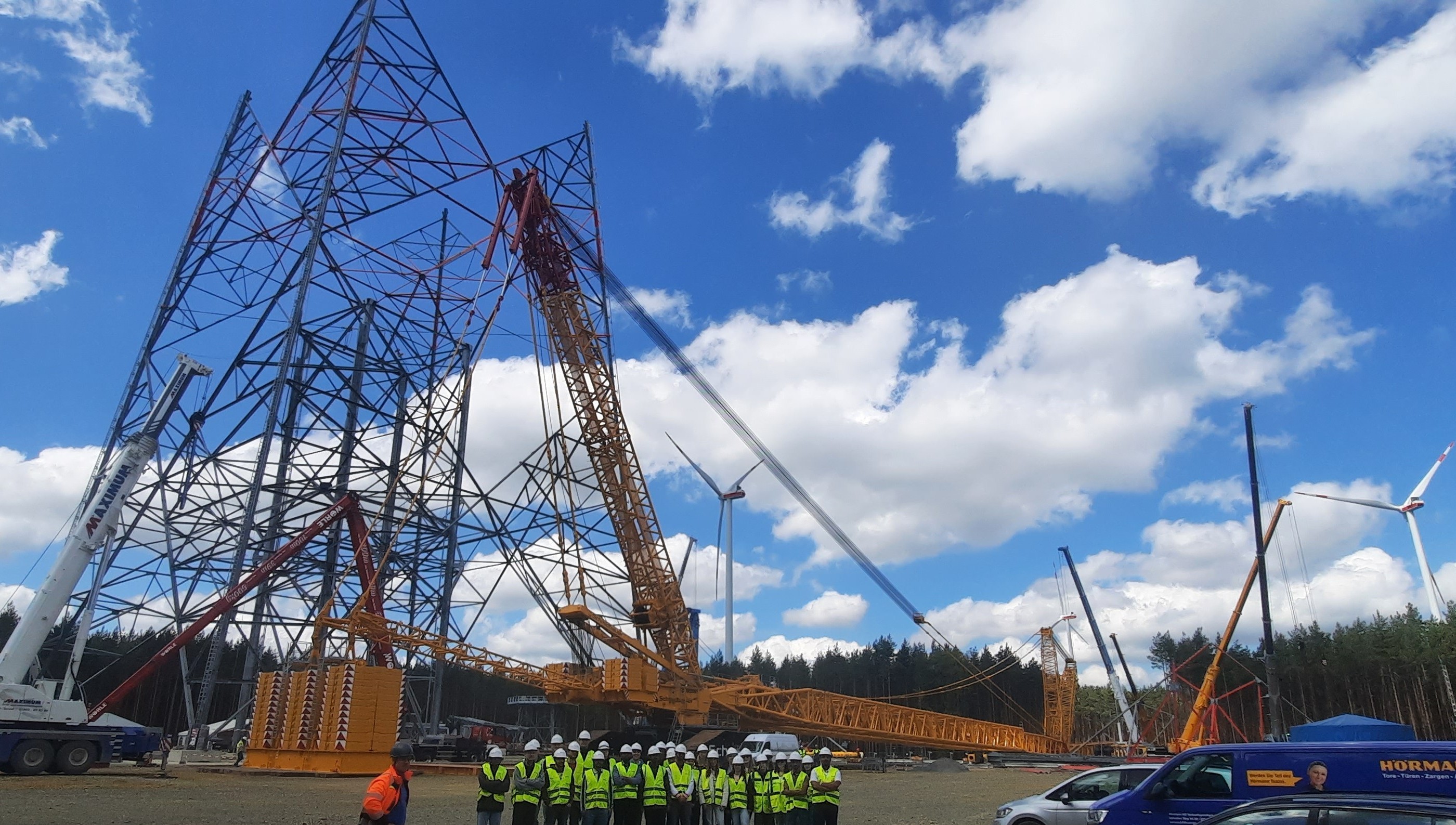
Our field trip group set off for Brandenburg on May 19, 2026, travelling by coach that is normally used to transport the Rostock Piranhas ice hockey team to their away games. Our destination was the municipality of Schipkau in the Lusatia region, where the world’s tallest wind turbine, standing at more than 300 metres, is currently under construction.
Designed as a lattice tower structure, the wind turbine represents an innovative prototype. In addition to generating electricity, it will provide extensive measurement data to support the further development of particularly tall wind turbines. To achieve this, the structure is equipped with state-of-the-art sensor technology.
On site, the participants gained an impressive impression of the scale of the construction project. The sheer size of the lower tower sections in particular highlighted the extraordinary dimensions of the structure.
During a guided tour of the construction site, Dr.-Ing. Frank Adam from GICON provided fascinating insights into the planning and construction of the high-altitude wind turbine. Among other topics, he discussed the logistical challenges involved in managing the more than 20,000 individual components required to construct the facility.
The explanations regarding the tower’s foundation were also of particular interest. As the construction site is located in Lusatia, a former mining region, special geological conditions had to be taken into account during both the planning and construction phases. The resulting requirements are continuously monitored, among other things through surveying and geodetic monitoring carried out throughout the construction process.
Further information and photos of the project can be found at:
Presentation on the Warnow Bridge – April 29 at 4:00 p.m.

On Wednesday, April 29, 2026,
at 4:00 p.m. in Justus-von-Liebig-Weg, Building 8, Lecture Hall 1,
an interesting lecture on the planned Warnow Bridge will take place.
The speaker is Frank Bernhardt, Managing Director of Inros-Lackner SE and head of the bridge construction division. The planning firm Inros-Lackner, together with Schlaich Bergermann Partner as part of a joint venture, developed the preliminary design for the Warnow Bridge and is also involved in the detailed design.
The presentation offers an excellent opportunity to learn about the project firsthand, ask questions, and gain insights into the planning of complex infrastructure structures. In addition, you will have the opportunity to use VR glasses to get a three-dimensional impression of the structure, which was planned using the BIM method.
We look forward to your participation.
Announcement of Guest Lectures

We are pleased to invite you on Monday, April 27, 2026, to two exciting guest lectures by
Prof. Dr. Habil. José António Silva Carvalho Campos Matos
📍 Location: Room SR 8, Building 2, Justus-von-Liebig-Weg 2
🕒 Schedule:
1:30 PM – 3:00 PM – Novel approaches towards sustainable management of existing civil infrastructures
4:00 PM – 5:30 PM – AI for sustainable management of existing infrastructures
Short Biography
Prof. Dr. José Matos is an Assistant Professor in the Department of Civil Engineering at the School of Engineering, University of Minho (Portugal). He is a member of ISISE – the Institute of Sustainability and Innovation in Structural Engineering at the University of Minho – where he leads the Risk and Asset Management on Civil Infrastructures Cluster (RAmCI), the Transportation and Mobility HUB (TMOB-HUB), and the Erasmus+ Joint Master’s program NoRISK. His research focuses on asset management systems, life cycle costs (LCC), safety and risk analyses, and sustainability. Prof. Matos is the author and co-author of more than 250 scientific publications and has participated in numerous international projects, including SIRMA, InfraCrit, SustIMS, and SAFEWAY. In addition, he has held leading positions in international professional organizations, including as President of the European Association on Quality Control of Bridges and Structures (EuroStruct), as Vice President of the International Association for Bridge and Structural Engineering (IABSE), and as Chair of Commission 8 of fib – Fédération Internationale du Béton.
We look forward to your participation.
Visit to Brno University of Technology – Exchange on Cutting Edge Research in Uncertainty Quantification of Engineering in October 2025

Dr. Jafar Jafari-Asl visited the Institute of Structural Mechanics at Brno University of Technology, Czech Republic, for a one‑month research stay. During his visit, he engaged in an inspiring exchange with Dr. Lukáš Novák and the Uncertainty Quantification and Approximations Research Team (UQ ART).
Highlights of the stay included collaborative studies on active learning methods in the uncertainty quantification of engineering structures, as well as discussions on the application of UQ to strucutral fatigue.
The visit was supported by the DAAD-Project "Active Machine Learning for Identification of Characteristic Fatigue Curves" (57704137). The collaboration has already yielded exciting results, and a joint paper is currently in preparation – a testament to the fruitful partnership between Brno University of Technology and Universität Rostock.
Commemorative note on the death of Prof. Dr. Sokratis Georgiadis
It is with deep regret that I learned of the death of Prof. Dr. Sokratis Georgiadis. He was an outstanding academic, a close family friend and an invaluable source of insight and advice at important moments.
His research on the architectural history of the 19th and 20th centuries and on archaic Greek architecture made important contributions and enriched the field for many years. His academic career took him to London, Zurich, Bern and Berlin before he became a professor at the State Academy of Fine Arts in Stuttgart.
His spirit and personal warmth will always remain in my memory.
Panagiotis Spyridis
https://georgiadis-architektur.com/
Start of the winter semester 25/26 - Orientation day for our prospective civil engineers
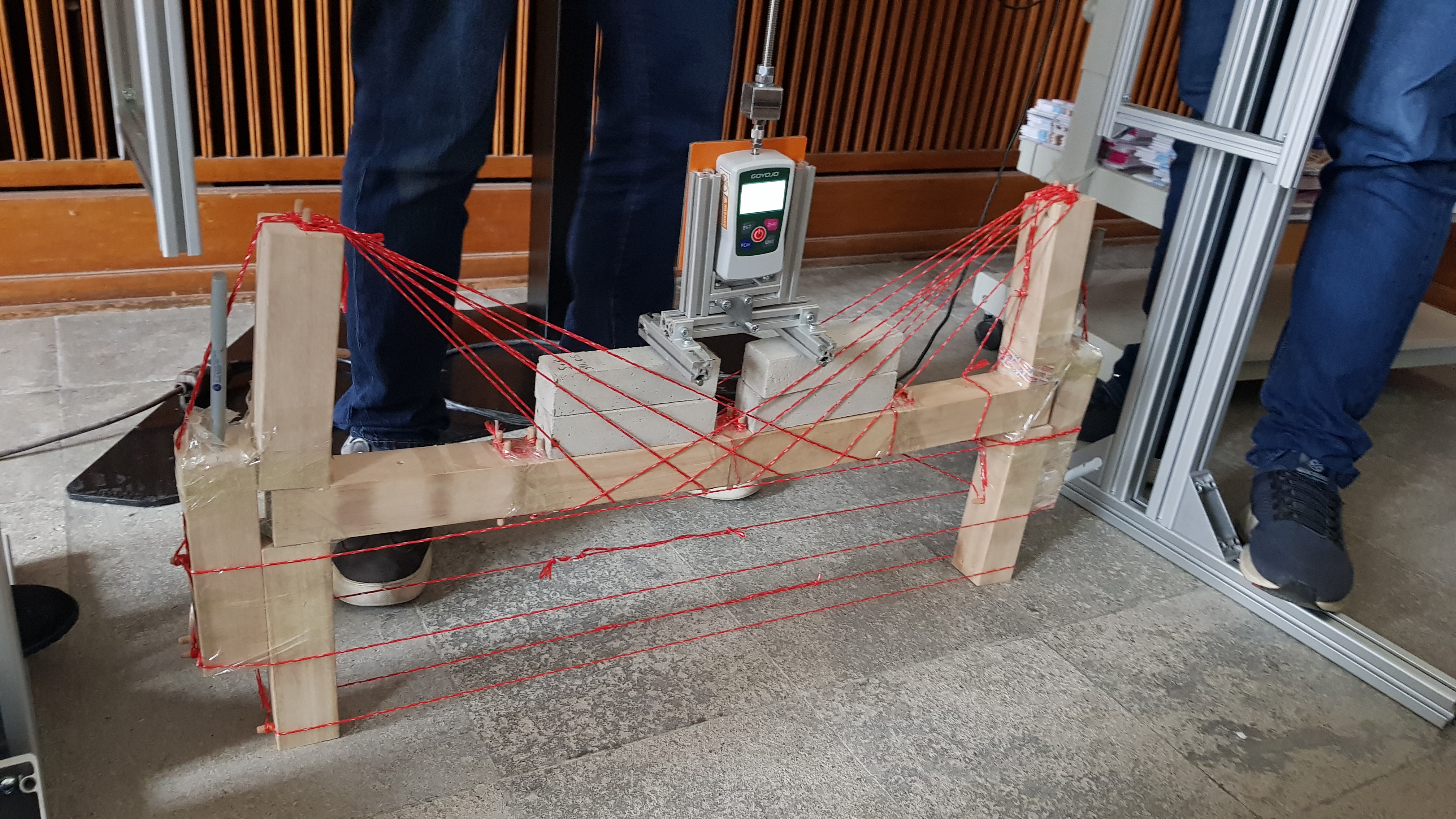
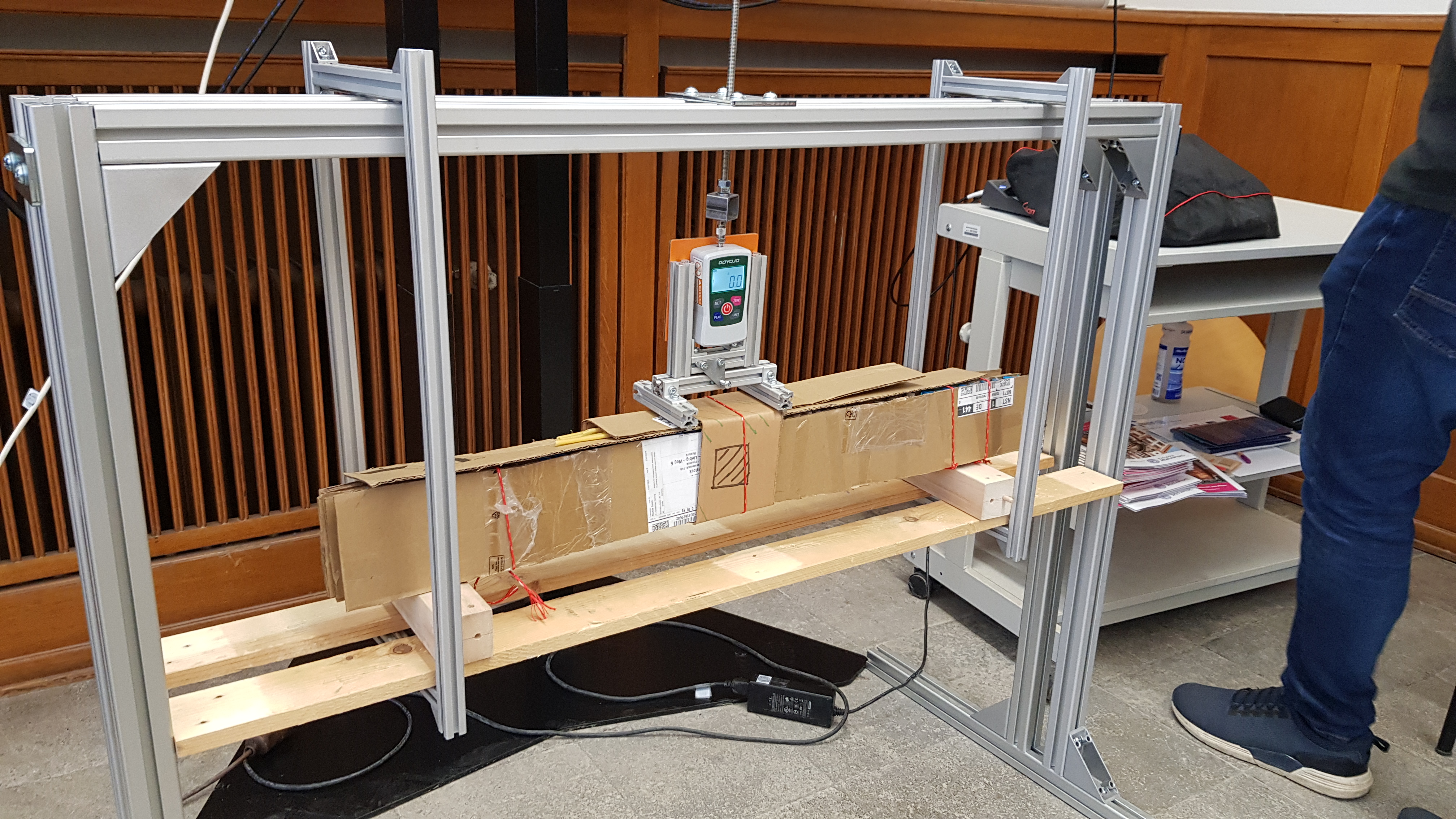
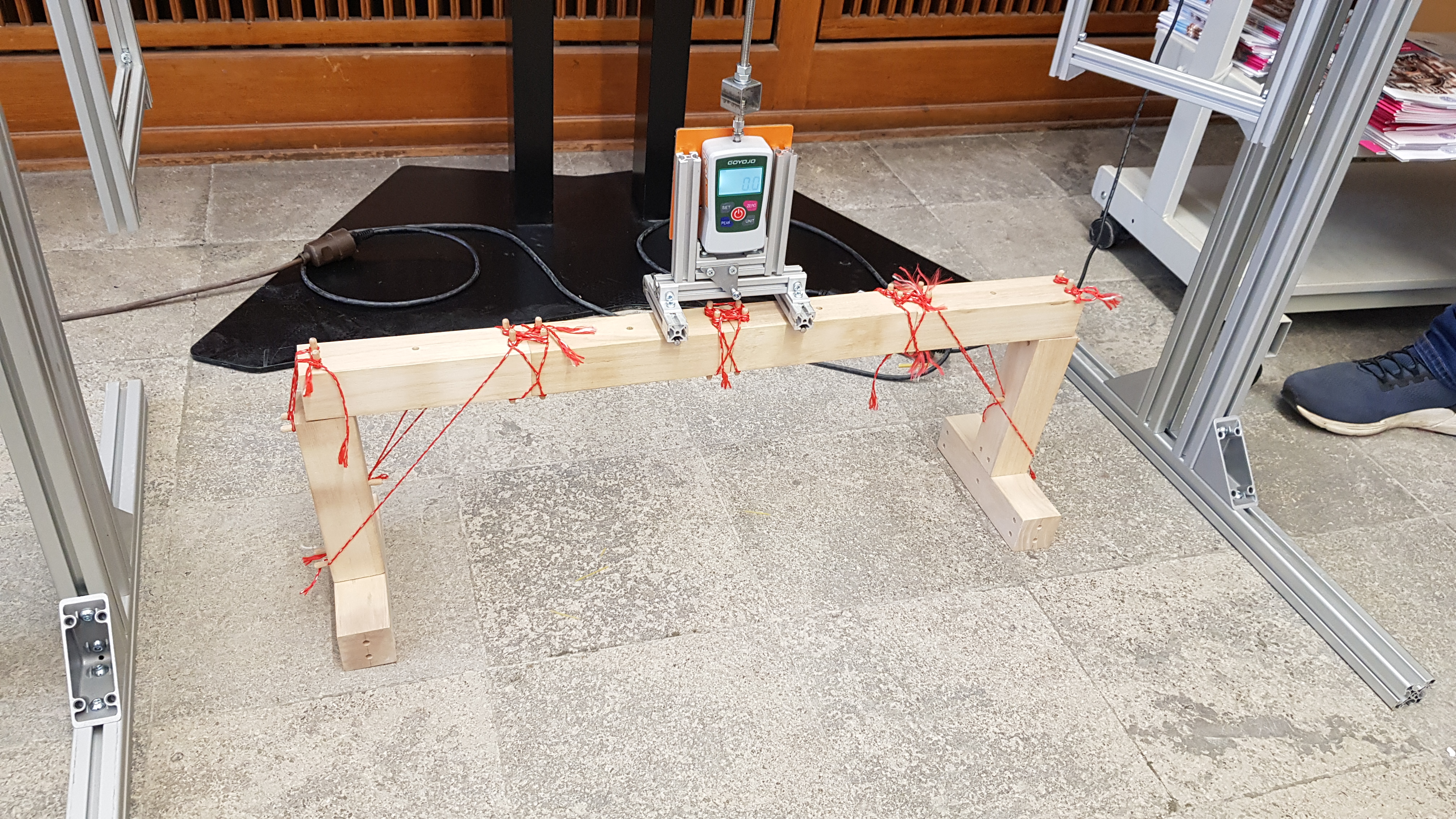
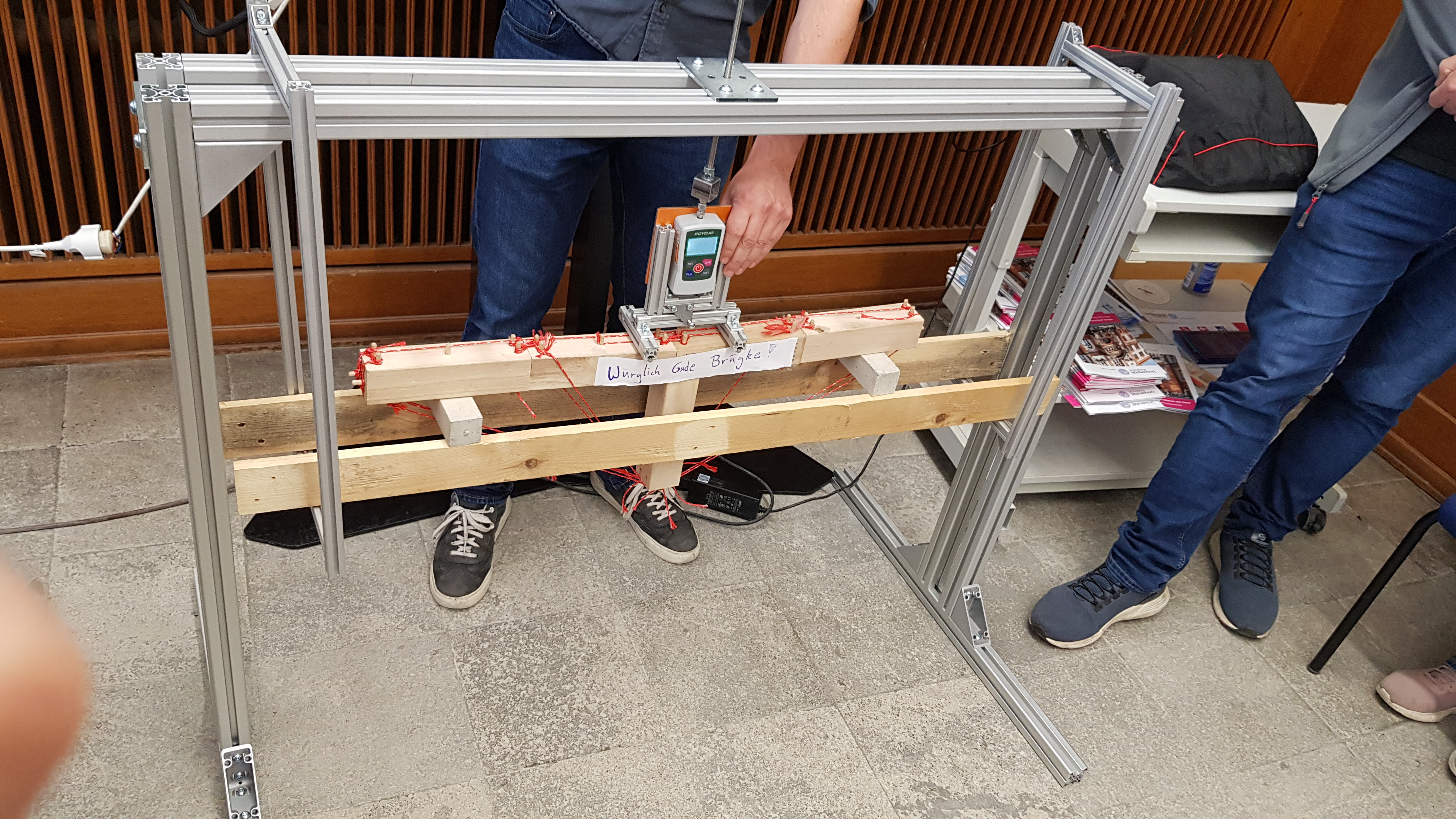
On the afternoon of the introductory day, students were able to learn about the load-bearing behavior of different bridge designs in a playful way. After a brief introduction to different bridge types, where initial technical terms such as span, slenderness, longitudinal section, cross-section, etc. were briefly explained, bridge models were built using the following materials:
Macaroni and spaghetti
Marshmallows
Wooden building blocks
String
Adhesive tape
Craft cardboard
The approximately 25 students divided into six groups, and each group designed and built an individual supporting structure. Once the bridge models were complete, they were weighed to estimate the amount of material used. The strength was then measured in a test frame. Some of the bridge models were so stable that the test frame's dial gauge was not sufficient to measure the load at which the bridge would fail. At this point, physical effort was required. From 500 N to 900 N, the students' own weight had to be used to help test the load-bearing capacity of the bridges during the load tests.
During the tests, the bridges exhibited very different behaviors. For example, some bridges failed brittlely. Other bridges failed ductilely with remarkable warning behavior. In addition to these terms, which may have been new to the students, terms such as “basic state of load-bearing capacity” and “basic state of serviceability” were introduced into the students' vocabulary for the first time.
In addition to building the bridge models, the quickest participants had the opportunity to use a remote-controlled robot to explore damage to a structure. This was, of course, very exciting.
All participants eagerly followed the measurements until the end. The afternoon was a great opportunity to get to know each other in a pleasant atmosphere. Afterwards, there was the opportunity to take part in a barbecue on the university grounds. In addition to the marshmallows, it was then possible to see if there was still room in the stomach for something from the grill. 😉
We wish all prospective civil engineers a great start to the semester and hope that they approach the new semester with lots of motivation and enthusiasm.
IPW2025 - 21. International Probabilistic Workshop in Rostock


From September 10 to 12, 2025, the 21st International Probabilistic Workshop (IPW) took place in the main building of the University of Rostock. The Chair of Structural Engineering, headed by Prof. Panagiotis Spyridis, hosted this renowned event for the first time.
International experts and practitioners came together to analyze the following key topics in presentations:
- structural safety and reliability,
- modeling and quantifying uncertainties,
- predicting and preparing for climate threats and extreme events,
- the robustness and resilience of buildings and infrastructure,
- decision-making in design, construction, and maintenance,
- risk management and insurability,
- digital tools for risk identification, assessment, and mitigation, and artificial intelligence for simulation,
- analysis, and decision support.
On the opening day, our rector, Ms. Prommer, paid tribute to guest speaker Dan M. Frangopol in an emotional speech, presenting him with a commemorative coin for his outstanding work.
Dan M. Frangopol is the first holder of the Fazlur R. Khan Endowed Chair in Civil Engineering and Architecture at Lehigh University. He is considered a pioneer in the field of life-cycle engineering of civil and marine structures and the optimization of life-cycle costs. He is the founding president of the International Association for Bridge Maintenance and Safety (IABMAS) and the International Association for Life-Cycle Civil Engineering (IALCCE). He is the founding editor of Structure and Infrastructure Engineering. He has received numerous honors and awards from ASCE, IABSE, IASSAR, ISHMII, SAE, and other professional associations, including the Newmark, Freudenthal, Housner, Croes (twice), TY Lin, and Khan Medals, the Ang Award, and the Lifetime Achievement Award in Education (OPAL). He also holds four honorary doctorates and 14 honorary professorships from major universities. In 2023, ASCE established the Dan M. Frangopol Medal for Life-Cycle Engineering of Civil Structures.
Prof. Frangopol is an elected member of the US National Academy of Construction and a foreign member of the Canadian, Japanese, and Mexican Academies of Engineering, the Academia Europaea (London), the Royal Academy of Belgium, and the Romanian Academy of Technical Sciences.
In addition, the prestigious Young Presenter Award was presented to doctoral student Fahri Baran Koroglu.
This event provided experts and practitioners from around the world with a dynamic platform to examine the role of uncertainty in overcoming technical challenges.
We would like to thank all participants for their successful presentations and look forward to seeing them all again soon at another event in Rostock.
Invitation to an interesting guest lecture “Innovations in agricultural, construction and environmental sciences in the context of European funding”
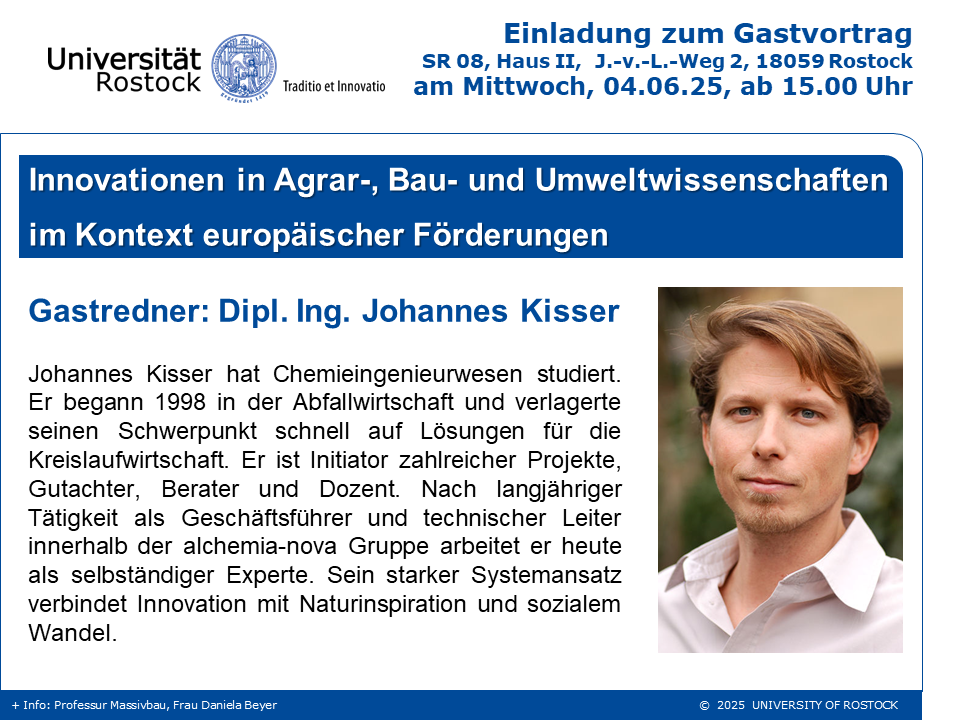
We cordially invite you to an exciting guest lecture on the current topic of “Innovations in agricultural, construction and environmental sciences in the context of European funding”. The event is aimed at all AUF students, scientists and professors.
Guest lecture: “Innovations in agricultural, construction and environmental sciences in the context of European funding”
Wednesday, June 04, 2025, 3:00 pm
Seminar room 8, building II, Justus-von-Liebig-Weg 2, 18059 Rostock
Guest speaker: Dipl. Ing. Johannes Kisser - internationally recognized expert for circular economy and nature-based solutions
You can look forward to an expert insight into innovative approaches for a circular and sustainable future.
We look forward to your participation and a lively discussion after the presentation.
Visit to Swinburne University – Exchange on Cutting-Edge Research in Structural Engineering

Last week, Prof. Panos Spyridis visited Swinburne University of Technology in Melbourne for an inspiring exchange with Prof. Emad Gad, Dean of the School of Engineering, and his high-profile team (from left to right): PhD candidate Rajbhandari, Dr. Anita Amirsardari, and Assoc. Prof. Jessey Lee.
We explored the Advanced Technologies Centre, including the concrete 3D printing facilities and the unique Multi-Axis Substructure Testing (MAST) system – a world-class infrastructure for experimental research in structural dynamics.
Invitation to two exciting guest lectures on the circular economy and sustainability in the construction industry
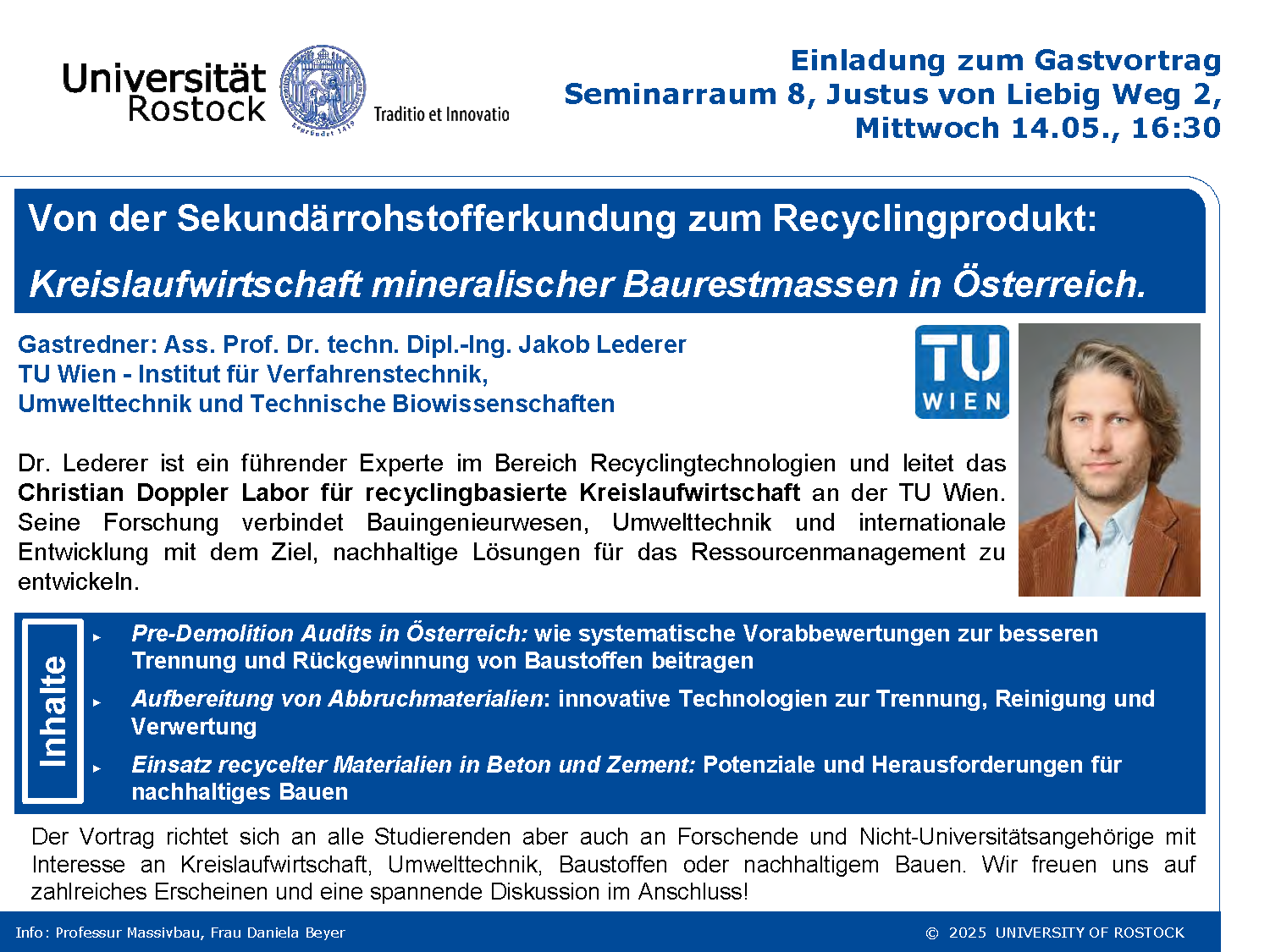
We cordially invite you to two top-class guest lectures on current topics relating to the circular economy, sustainable construction and resource efficiency in the construction industry. The events are aimed at students, scientists and experts from the field who are interested in environmental technology, building materials and sustainable infrastructures.
1st guest lecture: “From secondary raw material exploration to recycled product: circular economy of mineral construction waste in Austria”
Wednesday, May 14, 2025, 4:30 p.m.
Seminar room 8, Justus-von-Liebig-Weg 2, 18059 Rostock
Guest speaker: Ass. Prof. Dr. techn. Dipl.-Ing. Jakob Lederer (TU Vienna)
Dr. Lederer will present innovative approaches to the recycling of demolition materials, including:
- Pre-demolition audits for optimized material separation
- Technologies for processing and reuse
- The use of recycled materials in concrete and cement
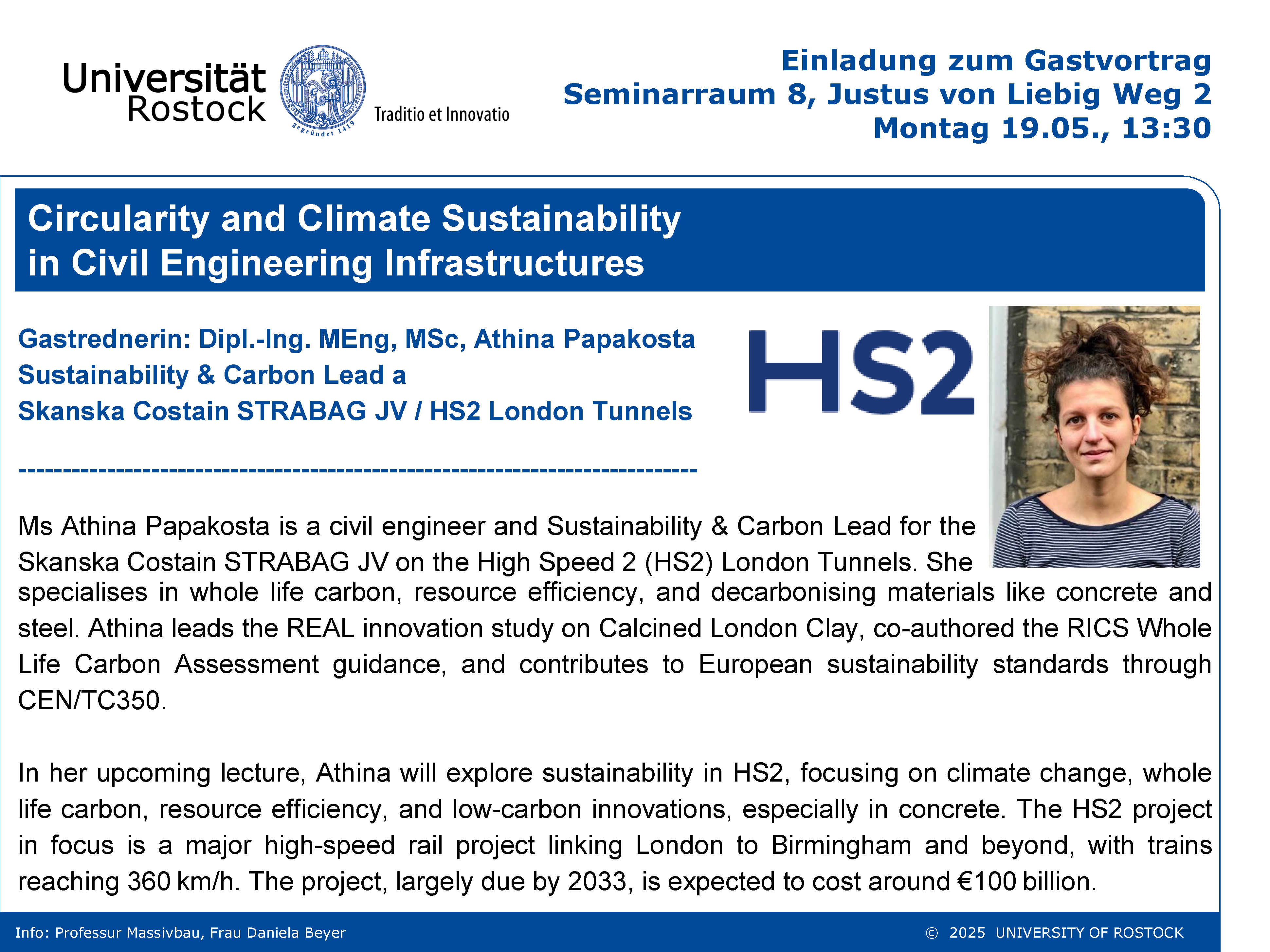
2nd guest lecture: “Circularity and Climate Sustainability in Civil Engineering Infrastructures”
Monday, May 19, 2025, 1:30 p.m.
Seminar room 8, Justus-von-Liebig-Weg 2, 18059 Rostock
Guest speaker: Dipl.-Ing. MEng, MSc Athina Papakosta (HS2 London Tunnels, Skanska Costain STRABAG JV)
Athina Papakosta sheds light on sustainability strategies using the example of the HS2 high-speed rail project in the UK, with a focus on:
Climate protection and whole-life carbon
resource efficiency
Innovations in the field of CO₂-reduced building materials
We look forward to welcoming you and to the professional exchange following the presentations.
Yours sincerely
Chair of Solid Construction
University of Rostock
Contact: Ms. Daniela Beyer daniela.beyeruni-rostockde
Report on our students' excursion to one of the largest bridge construction sites in northern Germany on 22.01.2025
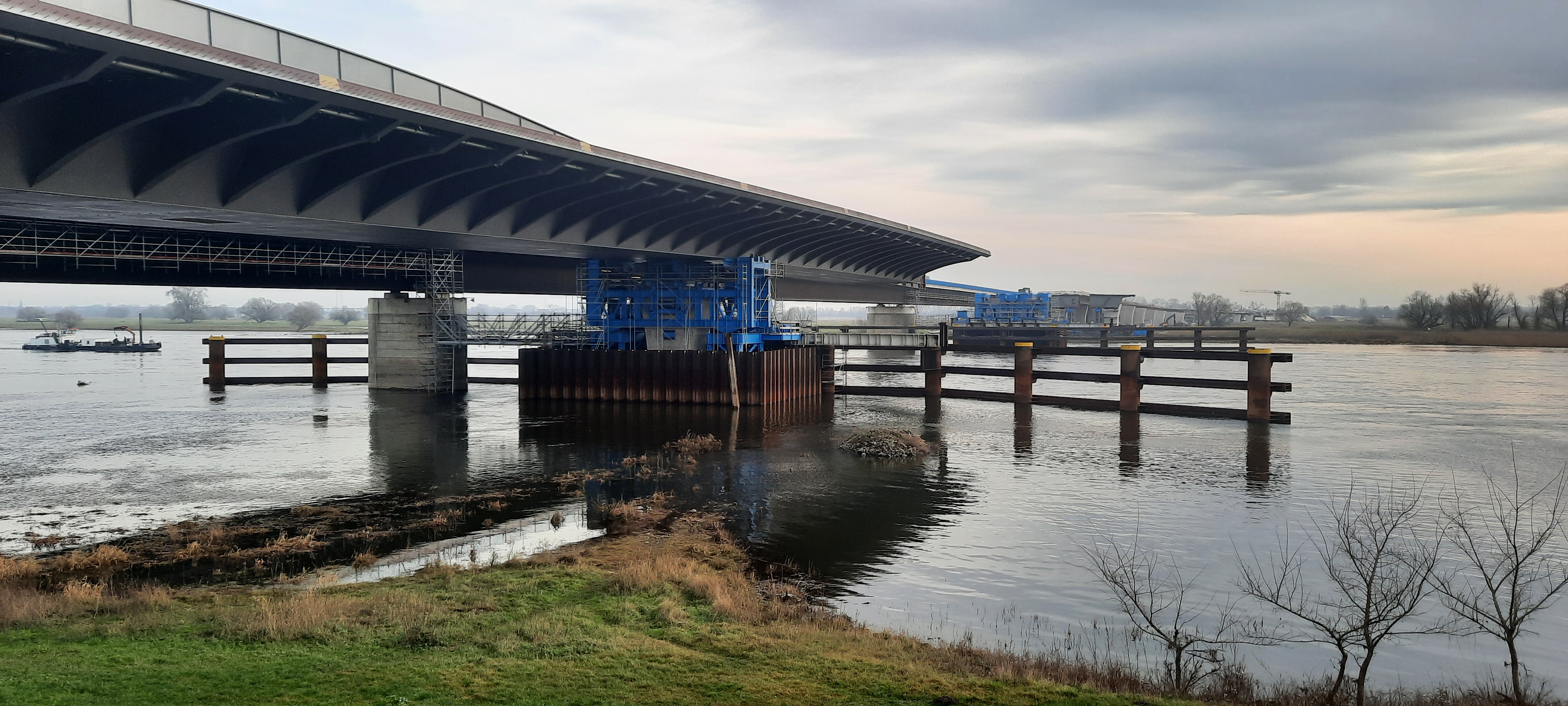
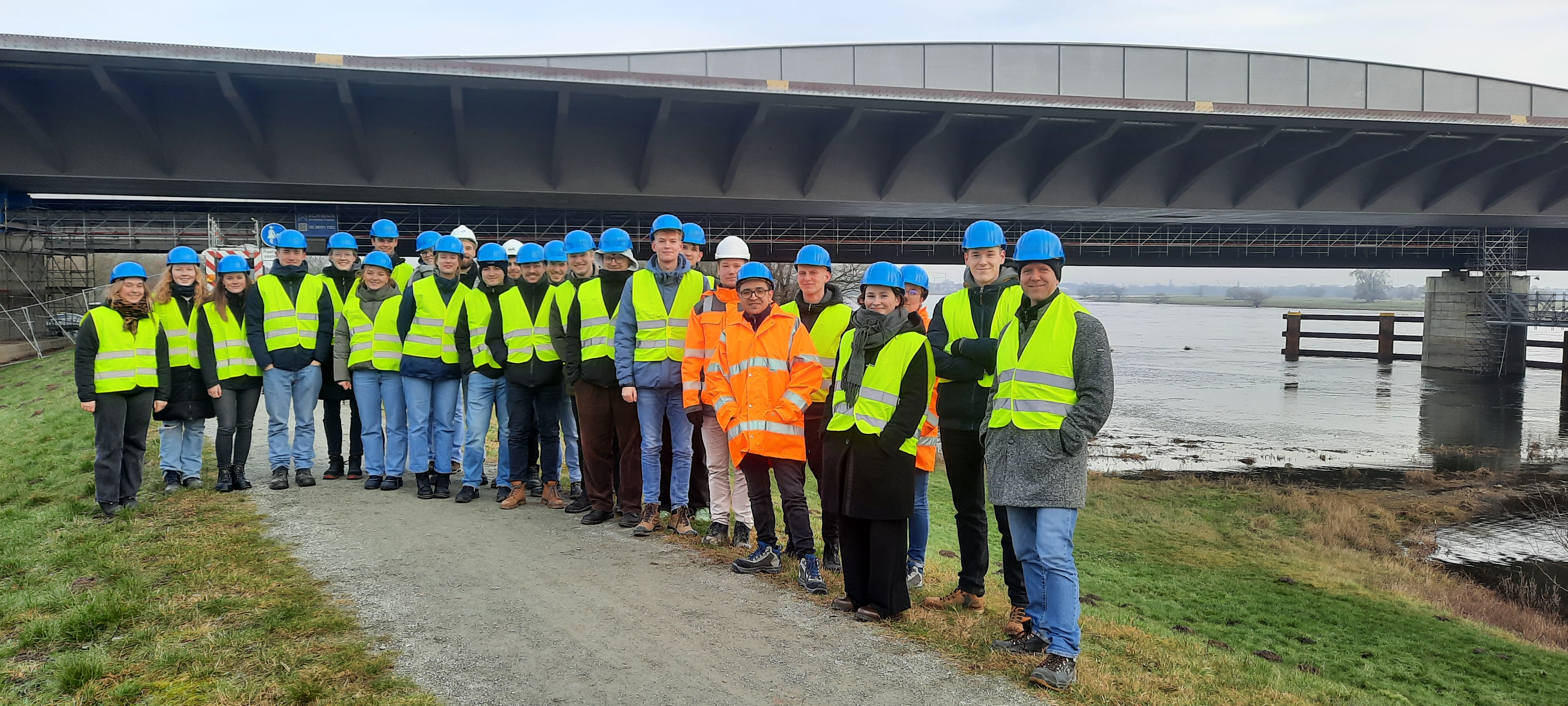
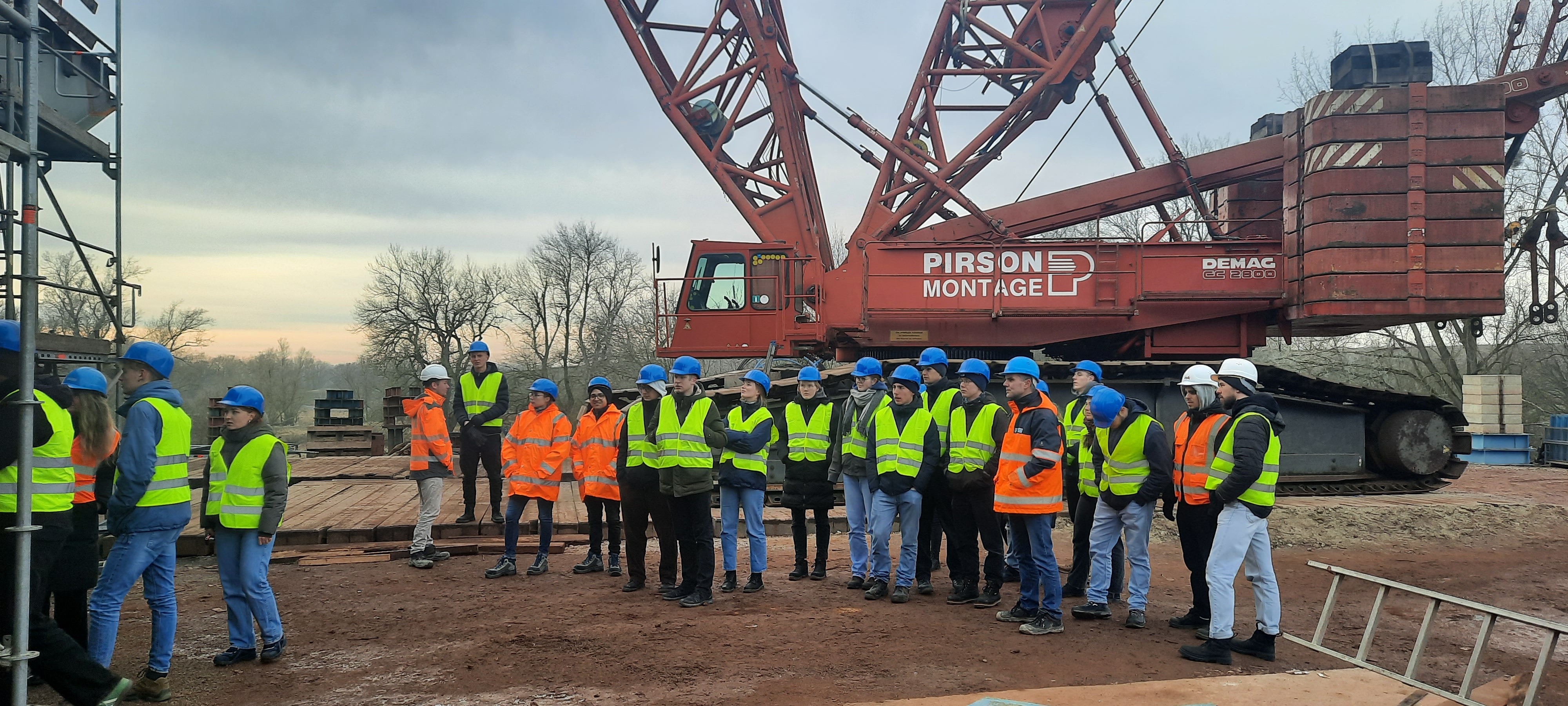

On January 22, we met at Justus-von-Liebig-Weg to travel together by coach to the construction site of the new Elbe bridge in Wittenberge. Our journey first took us to the construction site office, where we were given an interesting presentation by DEGES on the planning and execution of the construction work. The scope and diversity of the various aspects that ultimately led to a bridge solution were particularly noteworthy. Further interesting information on the construction project can be found on the following website:
www.deges.de/projekte/projekt/a-14-abschnitt-3-as-seehausen-nord-bis-wittenberge/
After the project presentation, we went to the construction site. Here we were able to look around and ask questions. First, we took a look at the straw bridge, which is being built using composite steel construction. The straw bridge is assembled in what is known as a “shunting cellar” and pushed across the Elbe in cycles. Shortly after our excursion, a large shunting operation was due to take place across the Elbe, for which preparations had already been made. A special feature of the Straw Bridge is the orthocomposite deck slab, which required approval in individual cases (ZiE) during the approval process and is the only one of its kind in Germany.
We were given a great insight into the steel construction of the large bridge cross-section, the dimensions of which are almost reminiscent of a ship.
The abutments and piers made of reinforced concrete were also interesting. In the further course of our tour of the construction site, we were taken to the foreshore bridges. The foreshore bridges are constructed using prestressed concrete on a launching gantry. It was incredible for us to see the amount of earth being moved in front of and behind the structure.
After this exciting tour of the construction site, we took the coach back to Rostock, where we arrived punctually at 6 p.m. after an unforgettable day.
Translated with DeepL.com (free version)
Report “Civil Engineering as a new Master's degree at the University of Rostock” in the study handbook published in December 2024
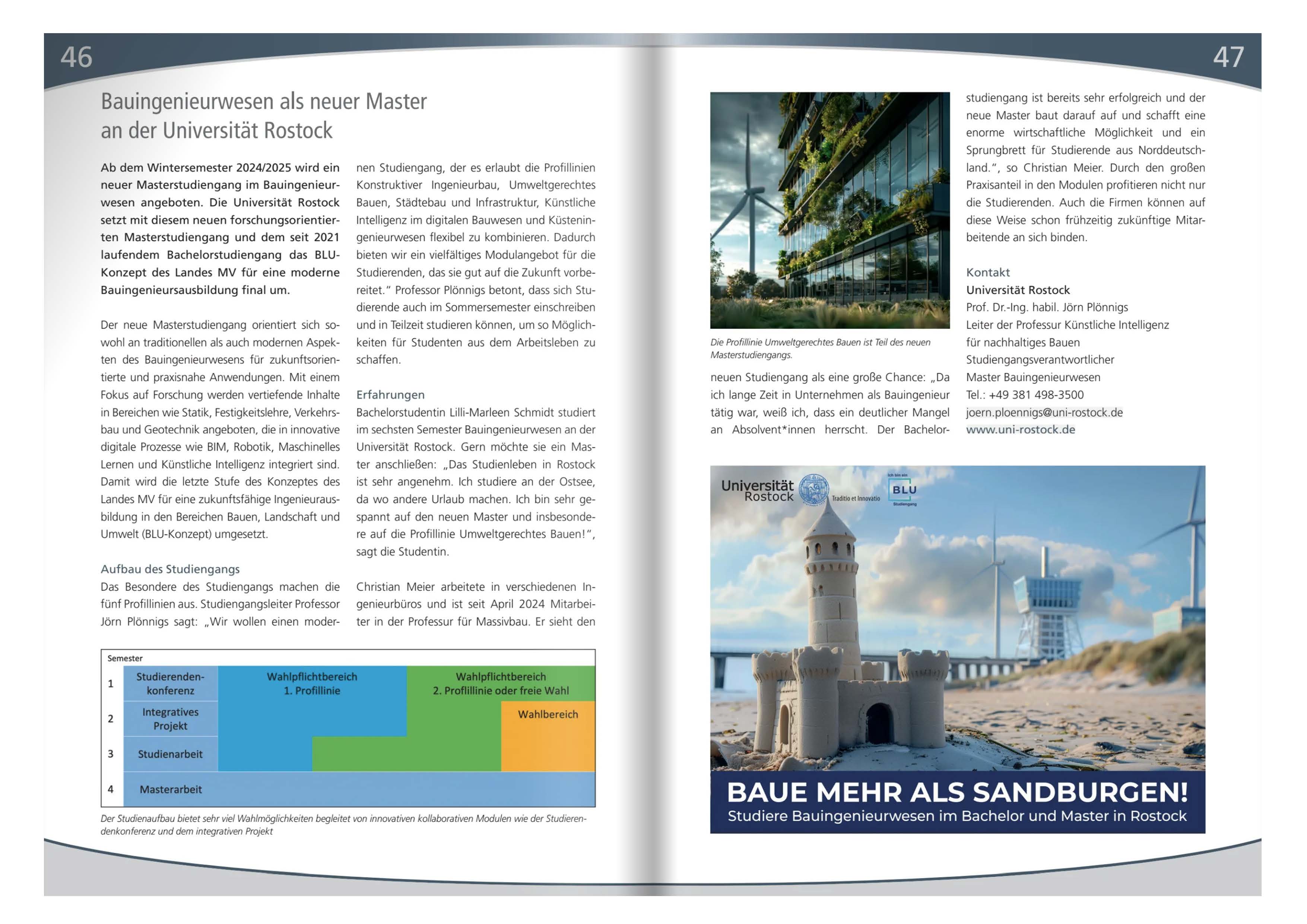
We can now also be found in the study handbook, which was published in December 2024.
Copies are distributed to:
- High schools in MV and the surrounding area as well as state employment agencies at career information centers (BIZ).
- Via the civil engineering faculty days and student council days (universities of applied sciences) to prospective students, student advisors, technical colleges and vocational academies.
- As an accompanying publication at career fairs
- E-dispatch (ut this requires a request.)
see also link: https://online.fliphtml5.com/azcn/ulen/#p=49
Civil Engineering degree course winter semester 2024/2025 started in October 2024
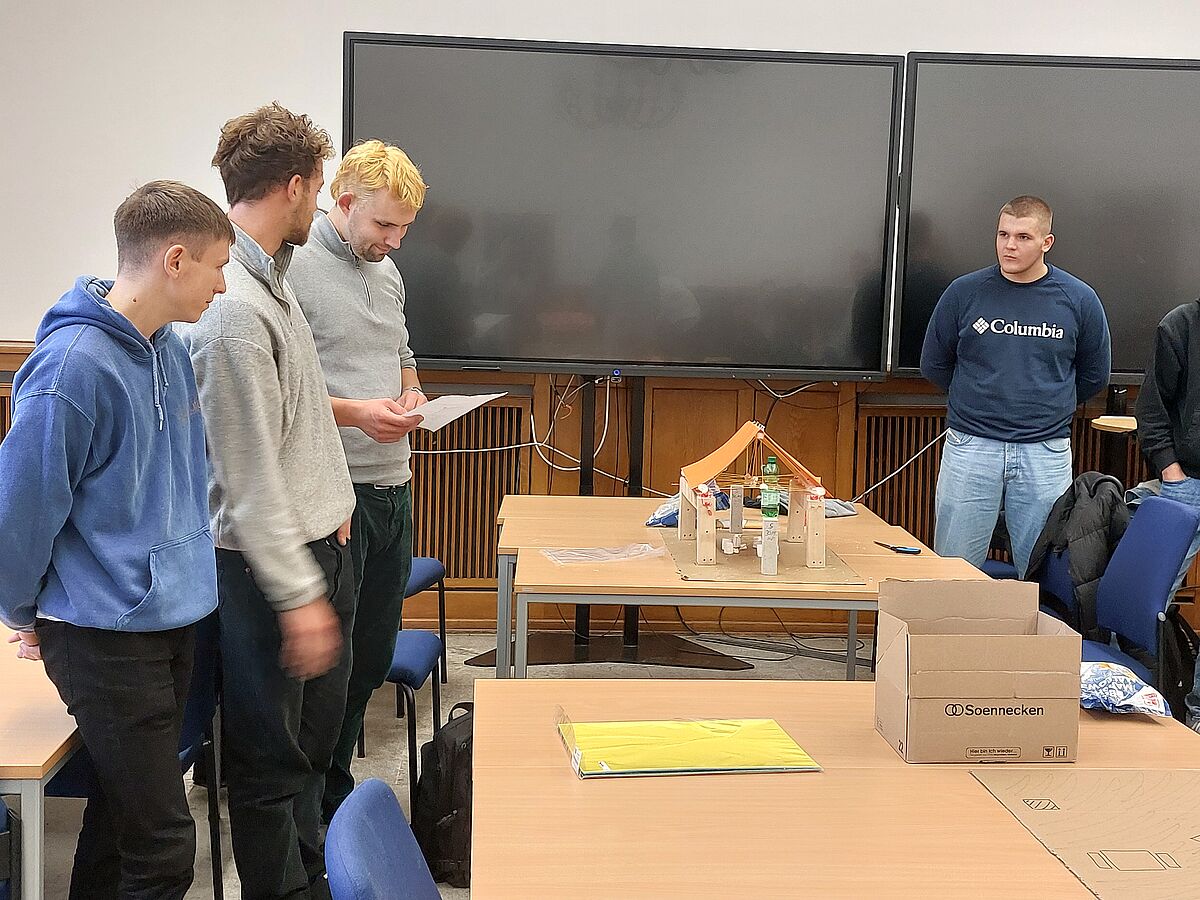
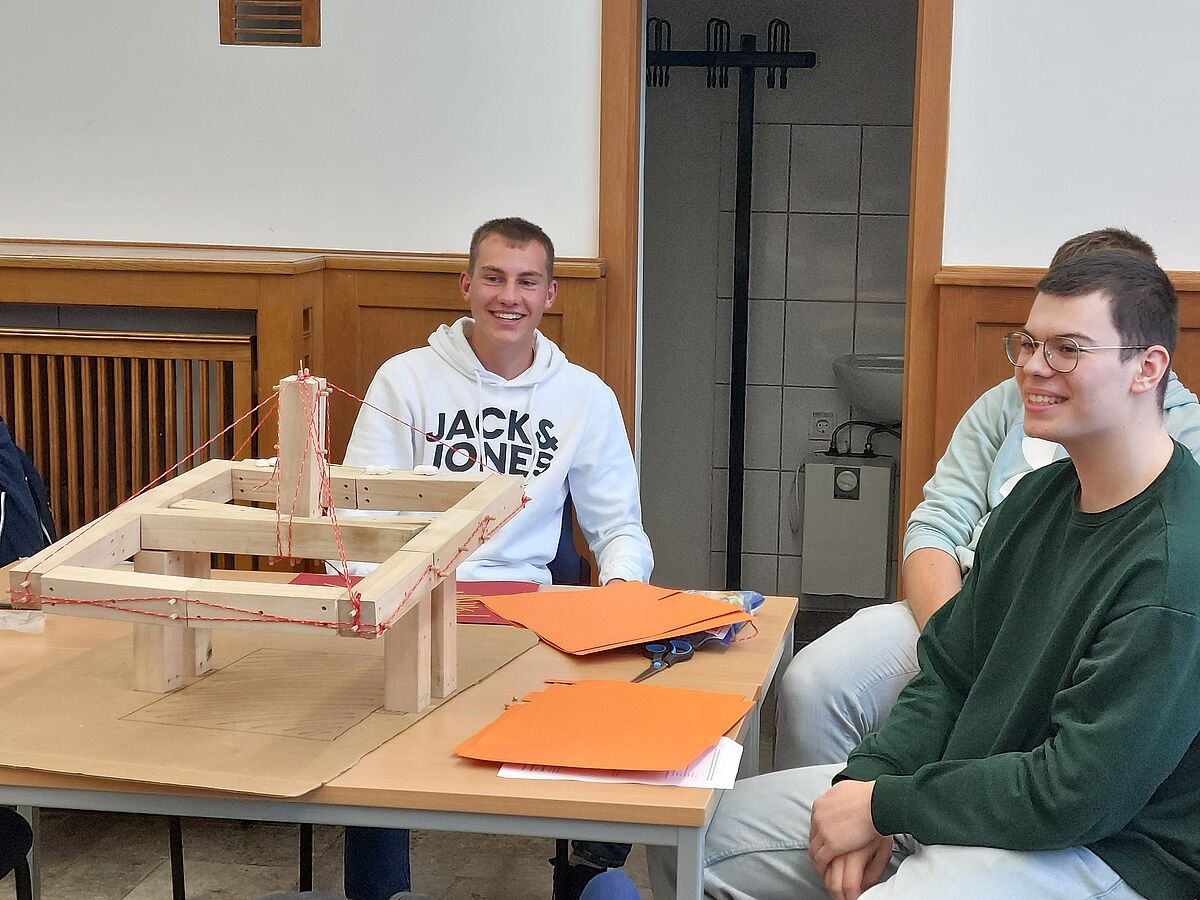
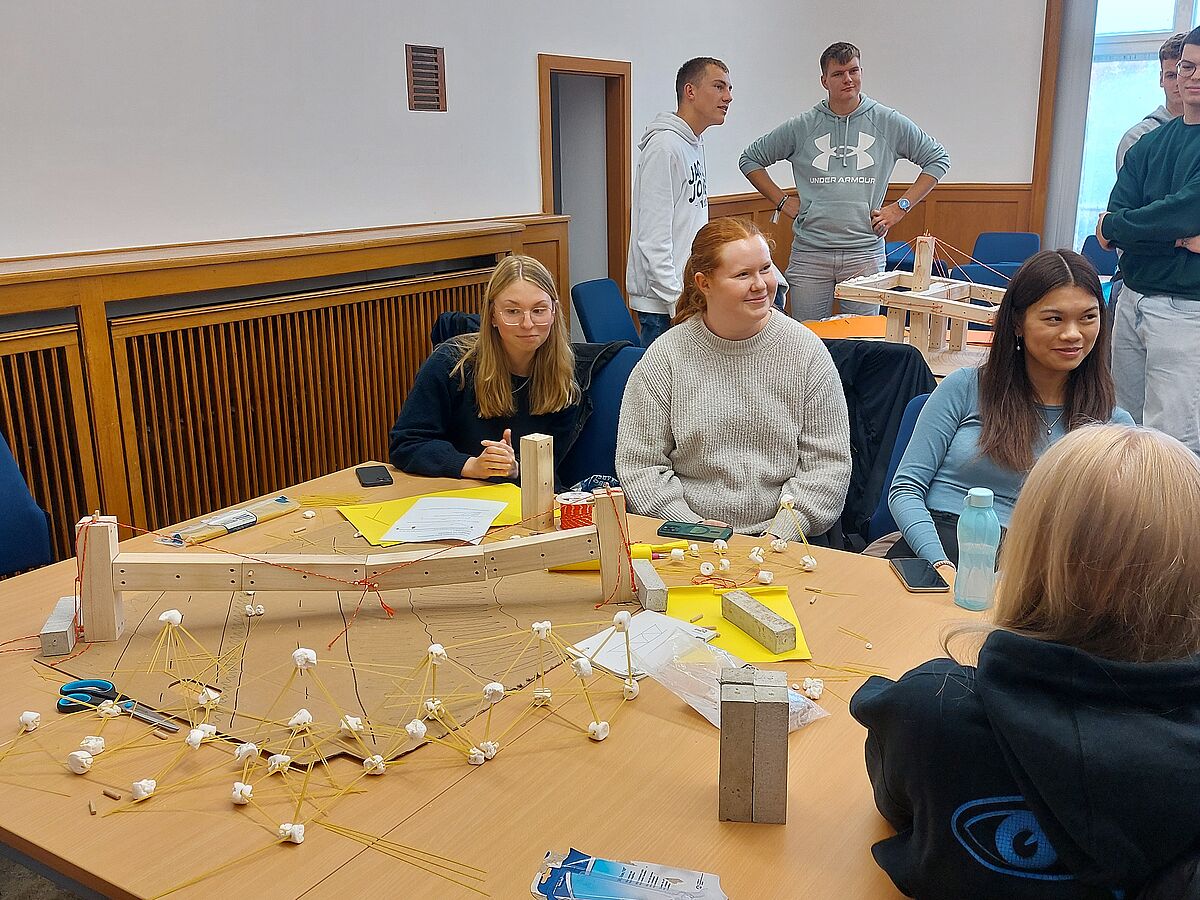
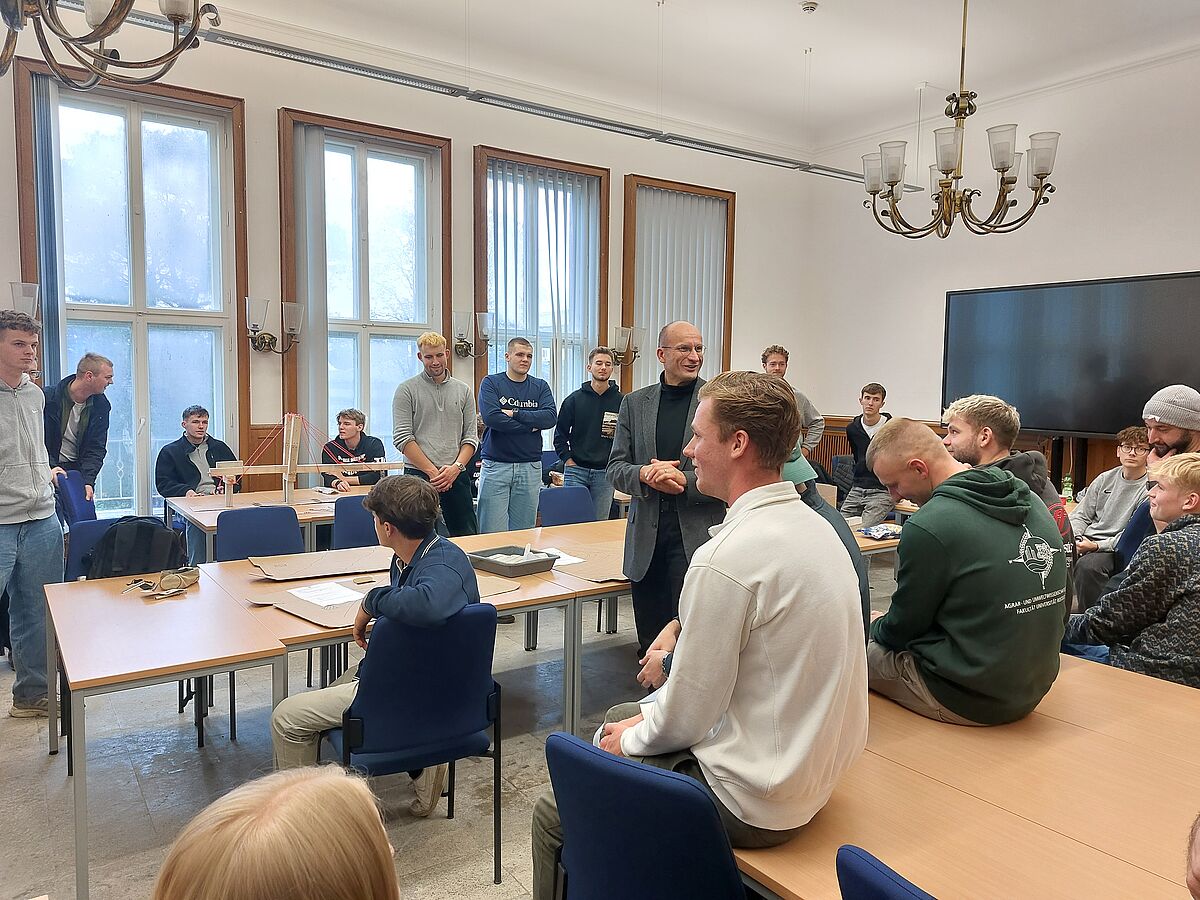

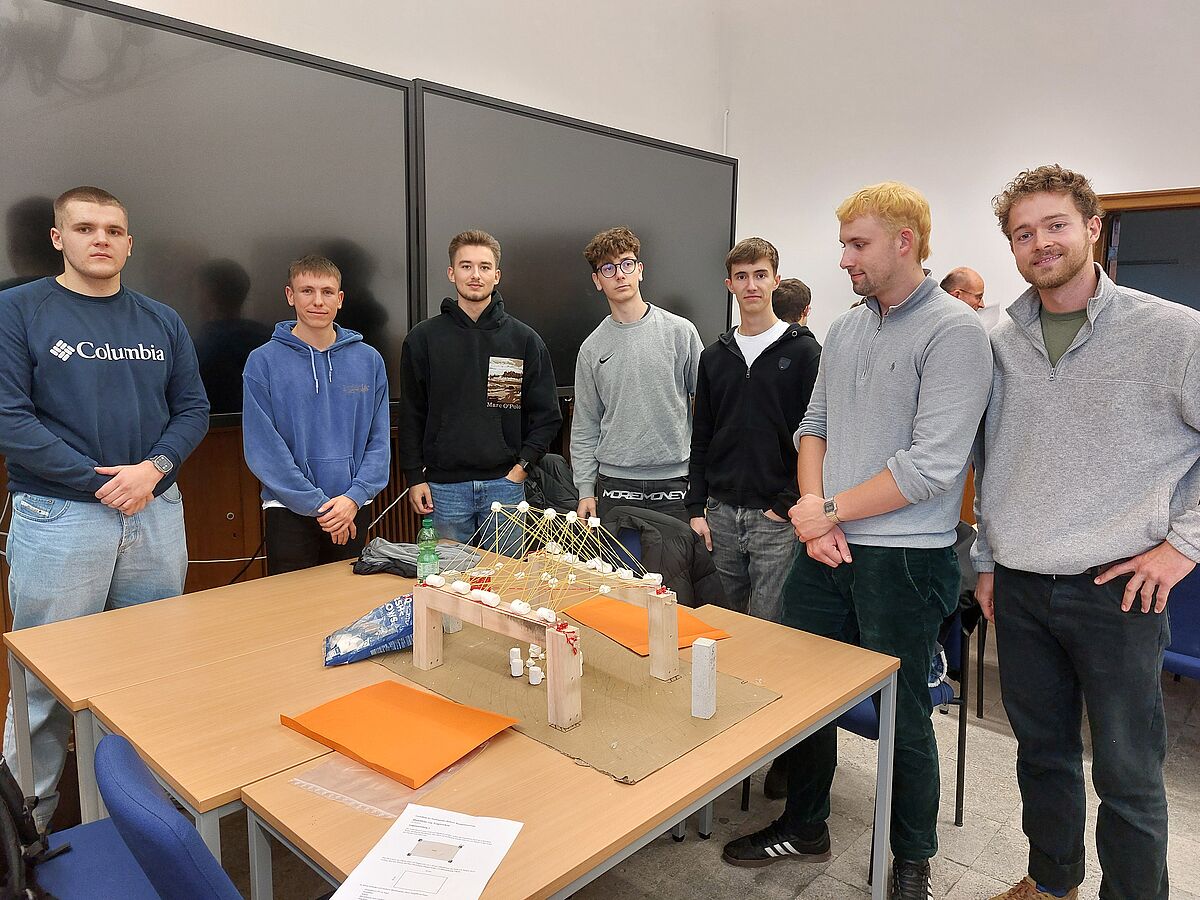
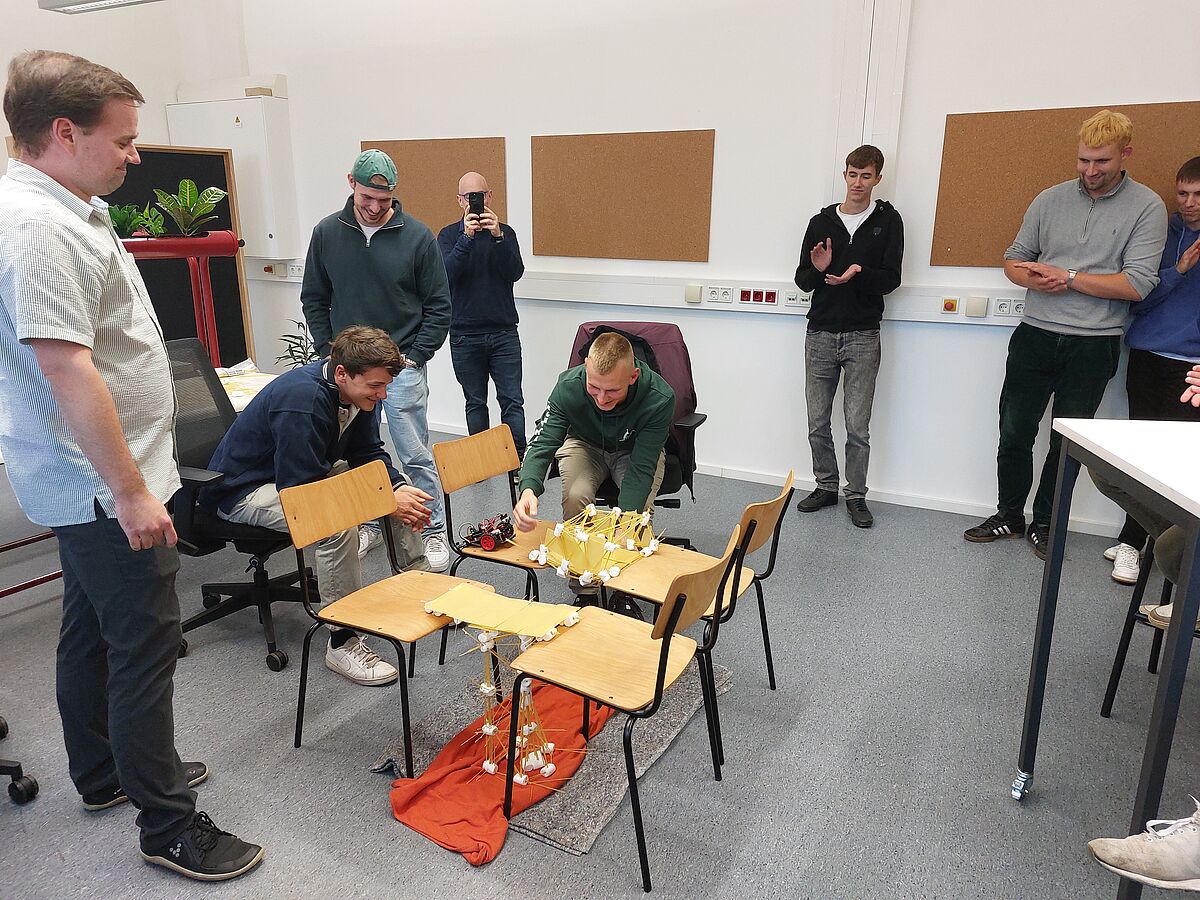
The winter semester 2024/2025 has begun and we welcome our new students to our faculty.
In the first week, our new students received all the information about the Civil Engineering degree program and also information about student life during the so-called introductory week.
In a joint project work on the topic of “bridge construction”, the new fellow students and older students were able to get to know each other and exchange ideas.
As part of this project, the new students were given marshmallows and spaghetti to build a bridge.
Extraordinary ideas were created, which were then presented in a presentation.
In addition, the new students were able to realize their ideas in this project, which they also associate with the civil engineering course.
In the Master's course, however, the students were already putting what they had learned into practice. They also had to build a bridge out of spaghetti and lasagne sheets. The bridge was then tested for stability using a remote-controlled car and assessed by other students and teaching staff.
Of course, the teaching staff also presented the lecture halls and seminar rooms as well as information about the course content and examinations during this week.
Last but not least, there was of course a hearty welcome from our student council.
We wish all our students on the Civil Engineering course a successful winter semester 2024/2025 and look forward to a lively participation in the lectures!!!
Master's degree course in Civil Engineering from the winter semester 2024/2025 in Rostock


The faculty will offer the Master's degree course in Civil Engineering from the winter semester 2024/2025. The course has successfully undergone an internal accreditation procedure and meets the standards of the Conference of Ministers of Culture and the University of Rostock. The internal accreditation is valid until September 30, 2032.
An overview with general details and information on admission for this degree program can be found here
Press article on the new Master's degree course in Civil Engineering published in the magazine Beton- und Stahlbetonbau aktuell 7/24:

Town hall excursion in Rostock on 20.06.24
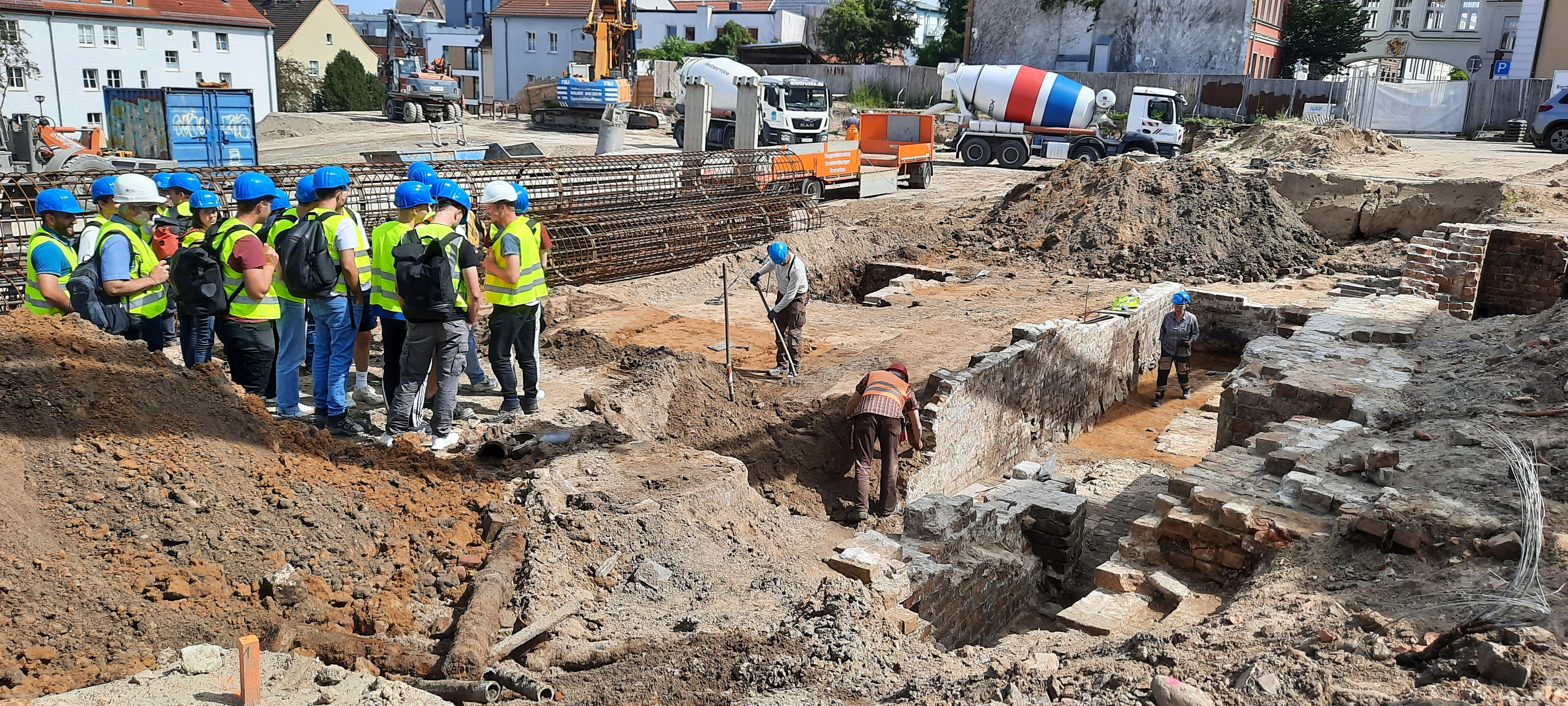
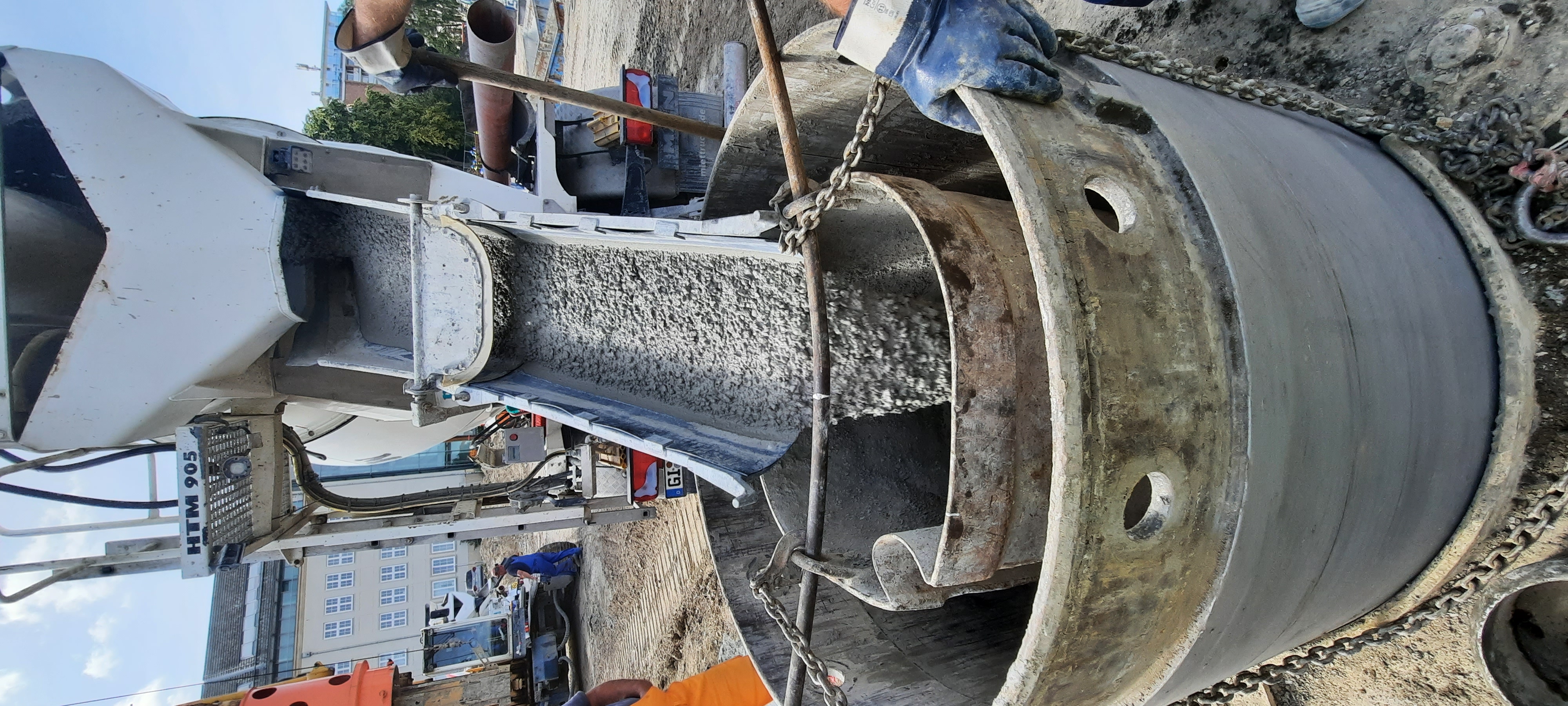
A building is currently under construction in Rostock that represents a milestone for the inner-city development of the Hanseatic and university city of Rostock. The extension of the town hall building.
The construction project includes the construction of two new buildings. On the one hand, this includes the construction of a “double-gabled building” in which the registry office will also hold marriage ceremonies. The “double-gabled house” closes a structural gap that was created by the destruction of a historic double-gabled house from the 14th century during the Second World War. The building will also house a new town hall, offices and conference rooms. The building project also includes the construction of a new administration building with modern room structures, for which the German Sustainable Building Council (DNGB) is aiming for gold certification.
On June 20, around 20 students from the University of Rostock took part in an excursion to the construction site of the town hall extension. At the beginning, Stefan Bölkow (Head of the New Construction/Refurbishment Department at KOE) and Torsten Ruwoldt from the planning office MHB Rostock gave a detailed and very interesting presentation of the project. Points such as: Construction site logistics, building pit shoring, structural details, structural waterproofing, design aspects, building boundaries, building heights, space utilization concepts, etc. were clearly explained.
After the presentation of the project in a construction container, we went to the construction site, where archaeologists were uncovering medieval foundations and documenting their location. At another point on the construction site, the production of large bored piles for a tangential bored pile wall could be observed.
We look forward to the next visit to the construction site and the opportunity to experience the town hall extension at first hand and witness the growth of the two buildings.
(Further information on the project can also be found at: https://www.koe-rostock.de/projekte/rathauserweiterung.php),
Further information on the excursion can be found at https://www.linkedin.com/posts/arndt-draheim-7774a3248_rostock-bauingenieur-werkstudent-activity-7211022953637949440-RBQB?utm_source=share&utm_medium=member_android
or about the civil engineering course at: https://www.linkedin.com/pulse/heute-als-rostocker-student-auf-der-hxdoe?utm_source=share&utm_medium=member_android&utm_campaign=share_via)
Excursion on 18.05.2024 in Lübeck
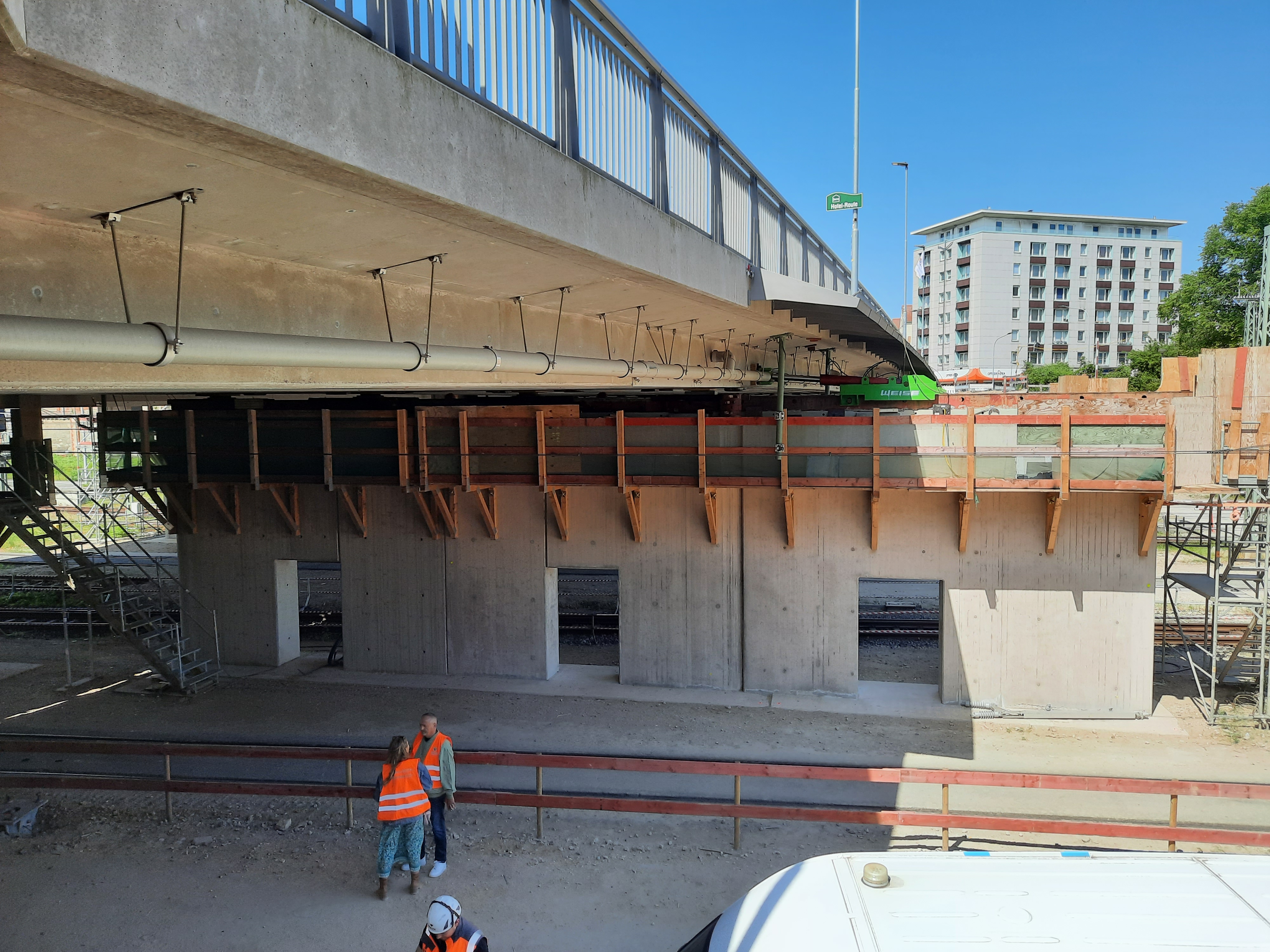
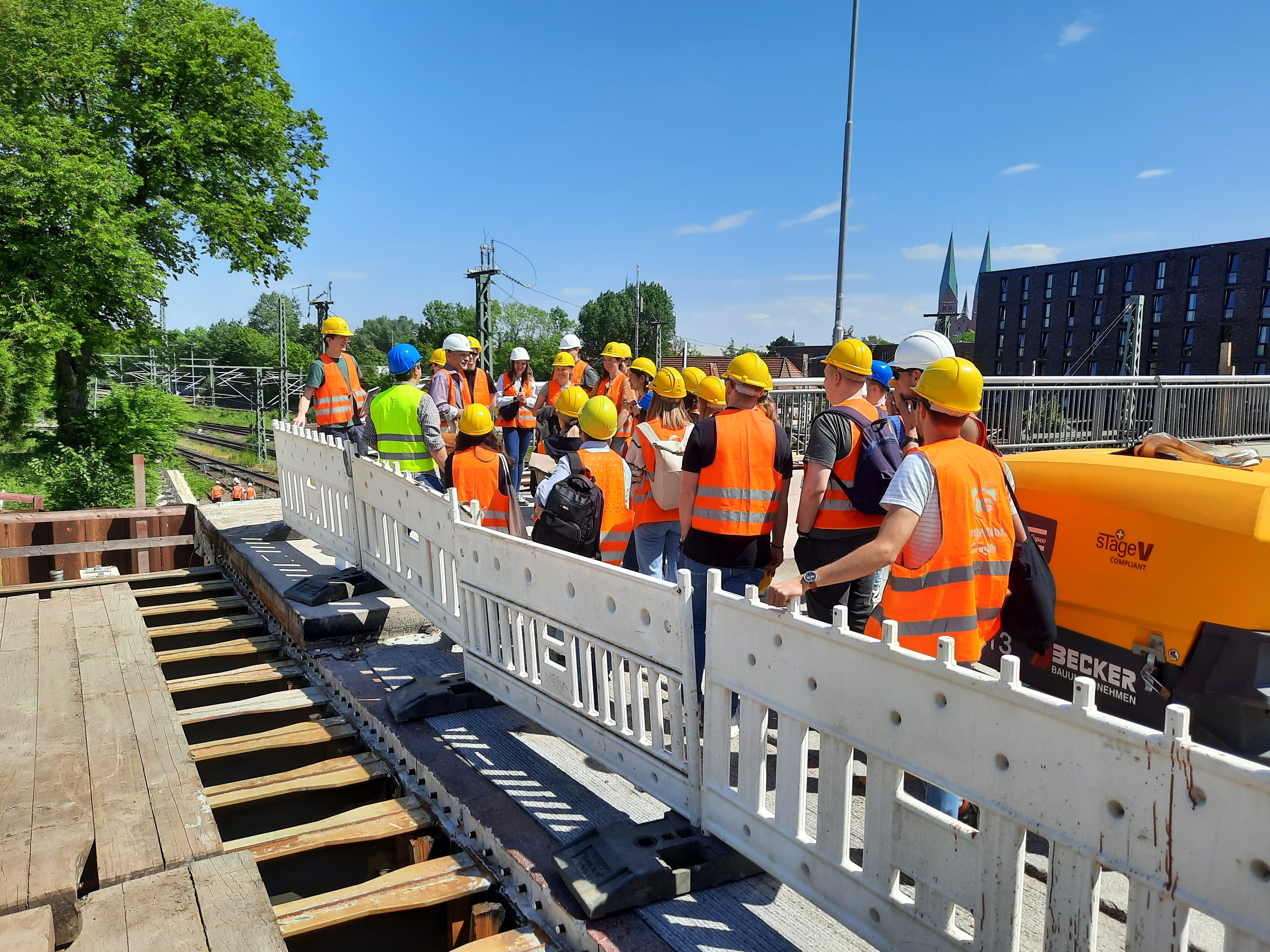
On 18 May, students from the University of Rostock had the opportunity to experience the very interesting construction technology of bridge transverse displacement by several meters on site as part of an excursion by the Chair of Concrete Construction to the construction site of the station bridge in Lübeck. The eastern part of the bridge is to be moved about 7 meters closer to the western part of the bridge using hydraulic presses. In addition to the bridge transverse shifting, we were able to visit the entire construction site and ask the people involved questions. This gave us a unique insight into the planning documents. The challenge of the technical execution was explained to us and the corresponding solution approach was presented. The day before the excursion, the planning team from Inros-Lackner SE and the construction company Becker GmbH & Co. KG gave us detailed insights into the planning and construction of the building in a two-hour project presentation.
An interesting bridge construction project has been realized in Lübeck in recent years. At 115 years old, the old station bridge no longer met today's requirements and had to be replaced by a new structure in a complex inner-city environment. The new station bridge has two separate superstructures, which were built using rolled concrete girders. Both superstructures rest on solid reinforced concrete substructures. The structure is founded on deep foundations using large bored piles and shallow foundations. The superstructures are monolithically connected to the substructures at the flat-founded abutment via a frame corner.
The entire project can be divided into several stages. The transverse shift in May of this year was just one of them, until traffic is expected to flow again from fall 2024.
(see also: www.inros-lackner.de/aktuelles/news/fachexkursion-brueckenbau)